Sympathy | Paul Laurence Dunbar

A poem by Paul Laurence Dunbar
Translator: Lê Vĩnh Tài

Nỗi niềm của con chim trong lồng, nàng ôi
Khi nắng chói chang trên sườn đồi
Khi gió khẽ lay qua đám cỏ
Mùa xuân và dòng sông chảy như thủy tinh vỡ
Con chim đầu tiên sẽ hót và nụ hoa đầu tiên sẽ nở
Và mùi hương thoảng bay từ chiếc chén thánh của nó (*)
Bị kẻ nào đánh cắp

Tôi biết tại sao con chim trong lồng đập cánh
Cho đến khi máu nó nhuốm đỏ các chấn song tàn ác
Nó đau đớn đu đưa trên que ngang giả làm cành cây
Một nỗi đau nhói lên trong vết sẹo tưởng đã lành
Những vết sẹo vẫn làm đau vết thương đã cũ

Tôi biết tại sao chú chim đập cánh, than ôi
Cánh nó bị bầm tím ngực nó nhức buốt lắm rồi
Nó muốn bẻ gãy các thanh đan của cái lồng
Tìm tự do cho nó

Không phải là bài hát mừng, hân hoan hay đau đớn
Đó là lời cầu nguyện mà nó gửi từ sâu thẳm trái tim
Như một cầu xin, nó ném thẳng lên tận ông trời

Tôi biết tại sao con chim nhốt trong lồng vẫn hót…
———
(*): Con chim không thể bay đi để ngửi thấy mùi thơm tỏa ra từ một nụ hoa đang hé nở (“the first opes”).
Đang mùi của hoa, bài thơ dùng một ẩn dụ ở đây, khi “hương thơm thoang thoảng” của bông hoa bị “đánh cắp” (trong trường hợp này, tự dưng xuất hiện “chén bị đánh cắp”. Chén dùng để uống rượu. Ở đây, bài thơ đề cập đến bông hoa hóa thành một “chiếc chén / cốc”, một chiếc cốc đựng rượu, từ đó tỏa ra một mùi hương tuyệt đẹp. Mùi của rượu (hay bia đen?)

Chữ “đánh cắp” chắc là do vậy.

Bằng cách lặp lại “I know what the caged bird feels” ở cuối bài thơ này, tác giả muốn nhấn mạnh sự đồng nhất nỗi buồn của mình với nỗi buồn của con chim. Đó là cách anh ấy nói với chúng ta rằng anh ấy cũng rất buồn. Vì con chim này bị nhốt trong lồng, nên nỗi buồn của anh là nỗi buồn không có tự do


I know what the caged bird feels, alas!
When the sun is bright on the upland slopes;
When the wind stirs soft through the springing grass,
And the river flows like a stream of glass;
When the first bird sings and the first bud opes,
And the faint perfume from its chalice steals—
I know what the caged bird feels!

I know why the caged bird beats his wing
Till its blood is red on the cruel bars;
For he must fly back to his perch and cling
When he fain would be on the bough a-swing;
And a pain still throbs in the old, old scars
And they pulse again with a keener sting—
I know why he beats his wing!

I know why the caged bird sings, ah me,
When his wing is bruised and his bosom sore,—
When he beats his bars and he would be free;
It is not a carol of joy or glee,
But a prayer that he sends from his heart’s deep core,
But a plea, that upward to Heaven he flings—
I know why the caged bird sings!


Lê Vĩnh Tài, the poet and translator born in 1966 in Buon Ma Thuot, Daklak, Vietnam. The retired doctor is still a resident of the Western Highlands and a businessman in Buon Ma Thuot.

Paul Laurence Dunbar [1872 – 1906] was an American poet, novelist, and short story writer of the late 19th and early 20th centuries. Born in Dayton, Ohio, to parents who had been enslaved in Kentucky before the American Civil War, Dunbar began writing stories and verse when he was a child.
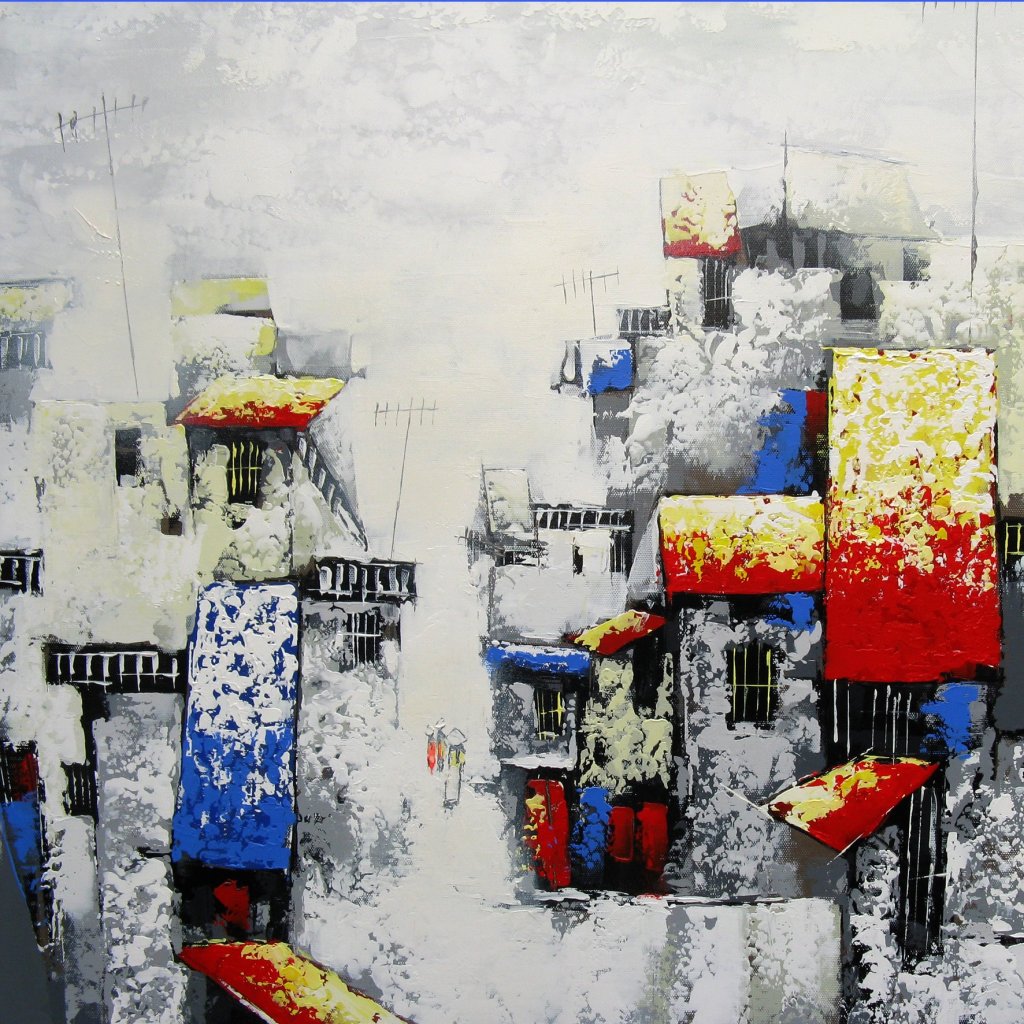
Lời Mời Tình Yêu | Paul Laurence Dunbar

A poem by Paul Laurence Dunbar
Translation into Vietnamese by Lê Vĩnh Tài,


em hãy đến khi đêm đầy sao
khi trăng dịu;
đến khi mặt trời như thỏi vàng của anh
rơi trên cánh đồng cỏ.


đến trong hoàng hôn mềm mại và màu xám
đến vào ban đêm hay ban ngày,
hãy đến, hỡi tình yêu, bất cứ khi nào em có thể,
và em được đón chào.

em thật ngọt ngào, ôi Tình Yêu, Tình Yêu ơi,
dịu dàng như chim bồ câu làm tổ.
Hãy đến với trái tim anh
cho nó nghỉ ngơi
như con chim bay về tổ
đến khi lòng anh đầy đau buồn
hay khi vui vẻ;
hãy đến với chiếc lá rơi
hay hoa anh đào đỏ rực.

hãy đến khi bông hoa đầu tiên của năm gió thổi,
khi mùa hè lấp lánh và rực rỡ,
đến với tuyết của mùa đông,
và em được anh ôm vào muốn khóc

Invitation to love

Come when the nights are bright with stars
Or come when the moon is mellow;
Come when the sun his golden bars
Drops on the hay-field yellow.
Come in the twilight soft and gray,
Come in the night or come in the day,
Come, O love, whene’er you may,
And you are welcome, welcome.

You are sweet, O Love, dear Love,
You are soft as the nesting dove.
Come to my heart and bring it to rest
As the bird flies home to its welcome nest.

Come when my heart is full of grief
Or when my heart is merry;
Come with the falling of the leaf
Or with the redd’ning cherry.
Come when the year’s first blossom blows,
Come when the summer gleams and glows,
Come with the winter’s drifting snows,
And you are welcome, welcome.


Lê Vĩnh Tài, the poet and translator born in 1966 in Buon Ma Thuot, Daklak, Vietnam. The retired doctor is still a resident of the Western Highlands and a businessman in Buon Ma Thuot.

Paul Laurence Dunbar [1872 – 1906] was an American poet, novelist, and short story writer of the late 19th and early 20th centuries. Born in Dayton, Ohio, to parents who had been enslaved in Kentucky before the American Civil War, Dunbar began writing stories and verse when he was a child.

Ships That Pass in the Night | Paul Laurence Dunbar

Photography by Tien Bac Dang

A poem by Paul Laurence Dunbar
Translator: Lê Vĩnh Tài,
Photography: Tien Bac Dang

Anh chỉ gặp em một lần, như những con tàu đêm đi lướt qua nhau
trên trời, những đám mây đen khổng lồ như muốn mưa
đêm như đang mang thai
nơi anh có thể nghe một tiếng súng nổ như pháo cưới
lóe lên ánh sáng lấp lánh
cho anh biết con tàu chúng ta đã đi qua
đi qua không ai còn tìm kiếm

đôi mắt đang khóc của anh, vì hồn anh bị vết thương sâu quá
anh sẽ ngợi ca và réo gọi con tàu
dang tay nguyện cầu
giọng nói của anh đã chết
nhưng hồn ma của môi anh chạm tới con tàu
như chúng ta đi qua, đi qua
như đêm qua

hỡi Trái Đất, hỡi Bầu Trời, hỡi Biển
cả hai ta đều tưởng đã vượt qua
ôi trái tim, và hỡi linh hồn cứ khiếp sợ bóng tối
không có hy vọng cho tôi? không còn cách nào
để anh có thể nghe thấy tiếng kêu đang tăng tốc độ của em
che khuất ánh nhìn của anh
và em đang trôi qua, trôi qua như tiếng vang
của đêm lướt qua
như những con tàu đêm làm chúng ta xa nhau
đường ray mãi mãi

June 2023

Ships That Pass in the Night


Out in the sky the great dark clouds are massing;
I look far out into the pregnant night,
Where I can hear a solemn booming gun
And catch the gleaming of a random light,
That tells me that the ship I seek is passing, passing.

My tearful eyes my soul’s deep hurt are glassing;
For I would hail and
check that ship of ships.
I stretch my hands imploring, cry aloud,
My voice falls dead a foot from mine own lips,
And but its ghost doth reach that vessel, passing, passing.

O Earth, O Sky, O Ocean,
both surpassing,
O heart of mine, O soul that dreads the dark!
Is there no hope for me? Is there no way
That I may sight and check that speeding bark
Which out of sight and sound is passing, passing?


Lê Vĩnh Tài, the poet and translator born in 1966 in Buon Ma Thuot, Daklak, Vietnam. The retired doctor is still a resident of the Western Highlands and a businessman in Buon Ma Thuot.

Paul Laurence Dunbar [1872 – 1906] was an American poet, novelist, and short story writer of the late 19th and early 20th centuries. Born in Dayton, Ohio, to parents who had been enslaved in Kentucky before the American Civil War, Dunbar began writing stories and verse when he was a child.

PAUL LAURENCE DUNBAR

Paul Laurence Dunbar (source: Smithsonian Magazine

Poetry by Paul Laurence Dunbar
Translator: Lê Vĩnh Tài


Lê Vĩnh Tài, the poet and translator born in 1966 in Buon Ma Thuot, Daklak, Vietnam. The retired doctor is still a resident of the Western Highlands and a businessman in Buon Ma Thuot.

Paul Laurence Dunbar [1872 – 1906] was an American poet, novelist, and short story writer of the late 19th and early 20th centuries. Born in Dayton, Ohio, to parents who had been enslaved in Kentucky before the American Civil War, Dunbar began writing stories and verse when he was a child.