each layer is a forgotten dream | Lê Vĩnh Tài

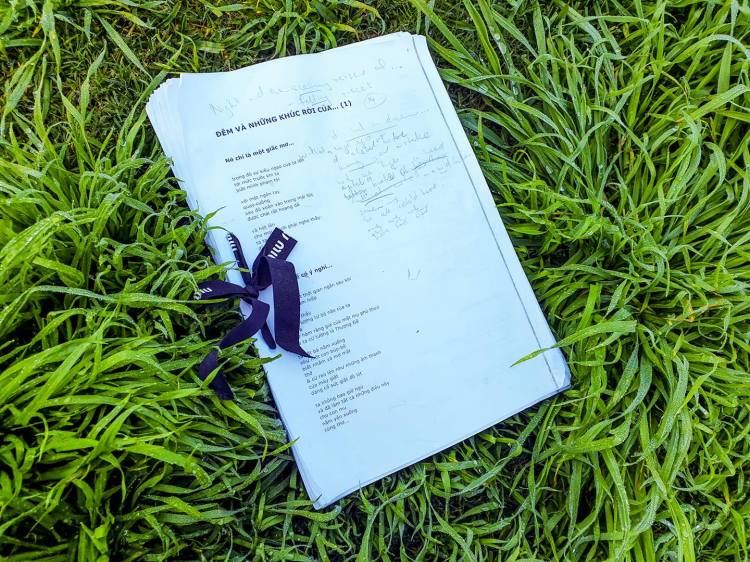
Sunday renovation. Photography by Nguyễn Thị Phương Trâm

A poem in Vietnamese by Lê Vĩnh Tài
Translator: Nguyễn Thị Phương Trâm

NB. Có một thời gian anh Lê Vĩnh Tài ngưng làm thơ, tôi ôi, tôi thôi thật sự là lo lắng:

– chết, what will I do with the rest of my life?

Chuyện kiếm ăn, bình thường mà, nhưng nếu thiếu sự bổ sung cho tâm hồn thì việc kiếm ăn nó mệt nhọc làm sao. Chúng ta cần một sự cân bằng. Sự cân bằng của tôi nằm trong những bài thơ của anh.

Anh LVT như là một ATM thơ. Tôi nghỉ việc dịch thơ văn, tôi vẫn còn thơ của anh để chia sẻ trên blog.

Blog của tôi thật là đáng yêu chỉ vì những con chữ của anh rơi xuống như mưa giữa mùa hè. Tôi chẳng phải làm gì. Đúng không?

Dọn dẹp ngày chủ nhật, tôi khám phá ra rằng tôi sẽ không bao giờ hết ngôn ngữ để bổ sung cho tâm hồn tôi.

Trâm.

#songngutaitram #nguyenthiphuongtram #literaturebeyondborders

Have you ever made love? Is it not terrifying? It cuts open your sternum and anyone can get inside you.

don’t waste your time reading this verse

it brings up your pain again and again
leave behind these scars
you want no one to see

the tell tales of how
lonely you get

you want no one to remind you how
once upon a time
you believed in love
your heart was a fortress
and this verse was a pile of ruble

the verse open up its pages
one layer at a time
each layer is a forgotten dream
now it’s exposing the cracks
where you secretly felt happy

you will see how the light danced
once upon a time
in those eyes
now suffocating were all the goodbyes and goodnight
oh sleep tight

the verses remembering the nights
you slept alone and only the stars
saw your tears
and her light thrown haphazardly
over a broken melody
an aching melody
the sum of all the scars you tried to hide
like all those ghosts

you are hell swelling
soon explode
and the verse drew you back into a maze of the past

No? You dilly dally
you re-enact over and over again
these mesmerising states of the past
thought the storm was gone
beyond the calm

don’t waste your time reading this verses
these verses will scare you to death
and that will be the end of you…

October 2023
—–

bạn đã bao giờ yêu chưa? Thật kinh khủng phải không? Nó mở toang lồng ngực của bạn và ai đó có thể đi vào bên trong bạn.

đừng đọc bài thơ này

nó cứ nói về nỗi đau của bạn
nó kể lại những vết sẹo
bạn không muốn ai nhìn thấy

nó kể cho mọi người là
bạn đã từng cô đơn

bạn không thích ai nhắc
bạn từng tin tình yêu
trái tim bạn là một lâu đài
bài thơ chỉ là đống đổ nát

những trang của nó mở ra
như những lớp giấc mơ bị lãng quên
giờ lộ ra những vết nứt
nơi bạn từng bí mật hạnh phúc

bạn sẽ thấy ánh sáng
từng nhảy múa trong mắt
bây giờ bị bóp nghẹt
bởi vô số lời chia tay hay chúc ngủ ngon

bài thơ kể lại những đêm bạn ngủ một mình
chỉ có những vì sao nhìn những giọt nước mắt của bạn
và ánh sáng của nàng
hắt lên những giai điệu tan vỡ
giai điệu của nỗi đau
nó chứa đựng vết thương mà bạn đã che giấu
như những bóng ma

bạn là một địa ngục chờ nổ tung
bài thơ đưa bạn vào mê cung
của quá khứ

phải không? bạn từng ủ ê với cơn mê
bão táp tưởng chừng đã qua

đừng đọc, bài thơ sẽ khiến bạn tá hoả
và phát điên…


Lê Vĩnh Tài, the poet and translator born in 1966 in Buon Ma Thuot, Daklak, Vietnam. The retired doctor is still a resident of the Western Highlands and a businessman in Buon Ma Thuot.

Nguyễn Thị Phương Trâm, the blogger, poet, and translator, was born in 1971 in Phu Nhuan, Saigon, Vietnam. The pharmacist currently lives and works in Western Sydney, Australia.

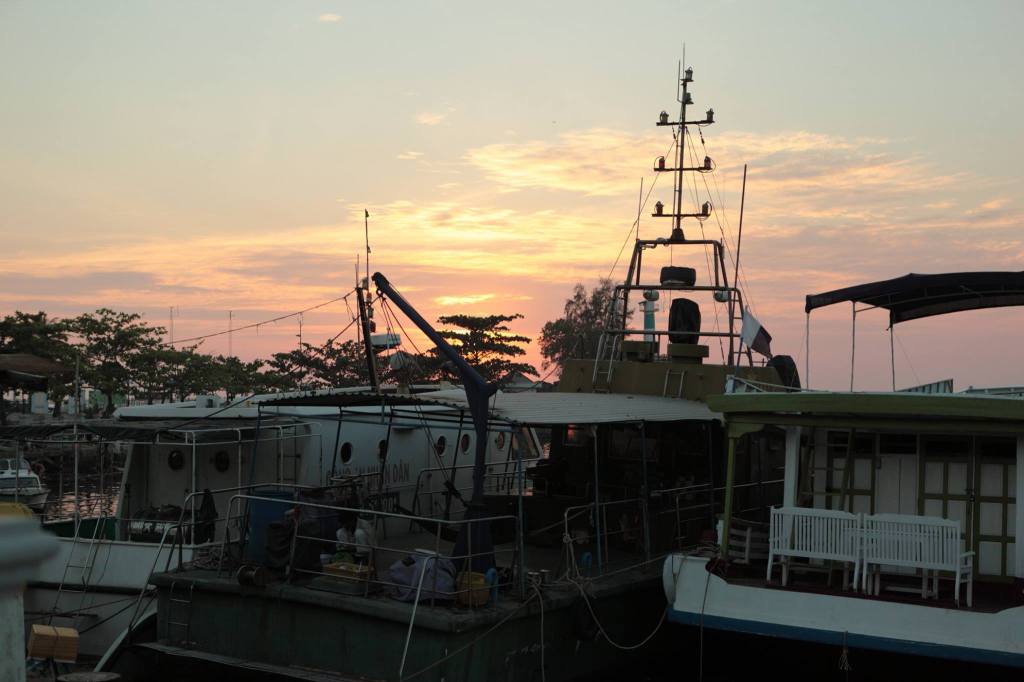
defensive | Lê Vĩnh Tài

A poem in Vietnamese by Lê Vĩnh Tài
Translator: Nguyễn Thị Phương Trâm

the mist
or a pretense, defensive clouds

birds
or a pretense, defensive tired arms

dollar and cents
or a pretense, defensive of a vessel long gone

and the smoke
or a pretense, defensive of its own shadow?

the confirmed pretense
choked us

hence poetry in pomp and ceremony swear:

I swear if not,
my lips shall in pretense disappear and fly away
like the birds, the mist, smoke…

sương mù
hay giả vờ để bảo vệ một đám mây

những con chim
hay giả vờ để bảo vệ hai cánh tay đã mỏi

vài đồng xu
hay giả vờ bảo vệ chuyến tàu mất hút

và đám khói
hay giả vờ bảo vệ cái bóng của nó?

chắc chắn những sự giả vờ
đã làm chúng ta ngộp thở

vì vậy thơ long trọng thề:

tôi xin thề nếu không,
đôi môi của tôi sẽ giả vờ bay đi mất
như sương như khói như chim…

_____

JANUARY 2020


Lê Vĩnh Tài, the poet and translator born in 1966 in Buon Ma Thuot, Daklak, Vietnam. The retired doctor is still a resident of the Western Highlands and a businessman in Buon Ma Thuot.

Nguyễn Thị Phương Trâm, the blogger, poet, and translator, was born in 1971 in Phu Nhuan, Saigon, Vietnam. The pharmacist currently lives and works in Western Sydney, Australia.
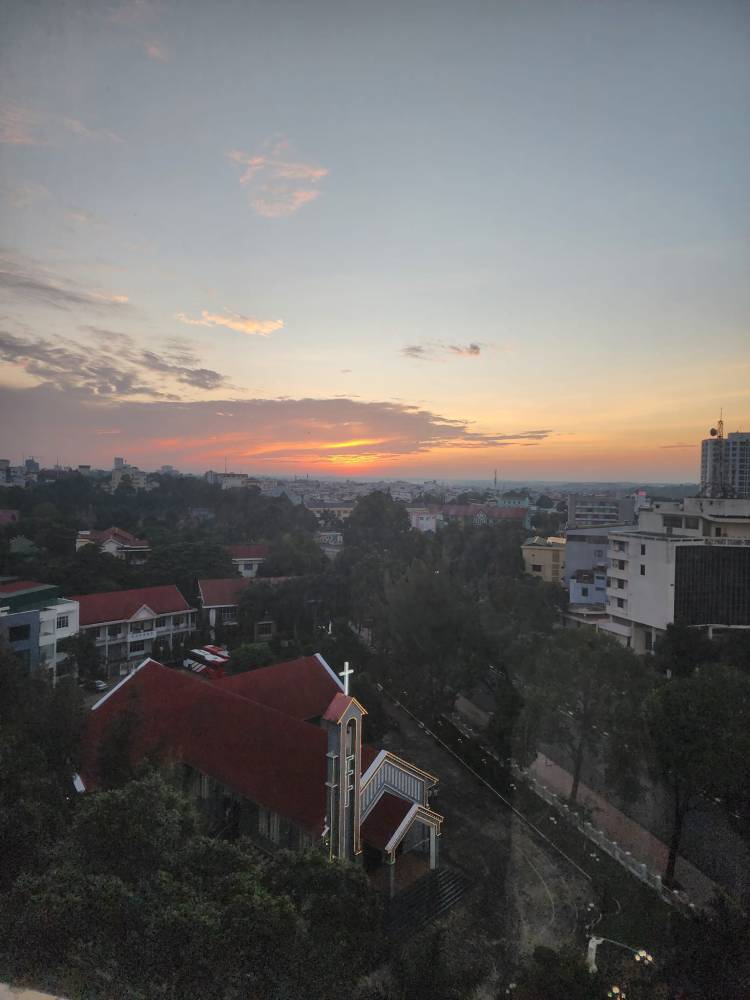
deception is not love | Lê Vĩnh Tài

A poem in Vietnamese by Lê Vĩnh Tài
Translator: Nguyễn Thị Phương Trâm

deception is not love
nor the lies, clouds in the sky
the past is never a lie

it’s not a bullet
but the truth is so much more painful that
it could change the world

happiness
once more is no lie
since poetry is not a lie
it begins within a breath
of the wind in the face of evil

like when she
threw you out like garbage
on her way out

yêu không phải lời nói dối
mây trên trời không phải lời nói dối
quá khứ không phải lời nói dối

không phải viên đạn
nhưng sự thật đau hơn cả viên đạn
nó có thể thay đổi cả thế giới

hạnh phúc
một lần nữa cũng không phải lời nói dối
bài thơ không phải lời nói dối
nó bắt đầu thổi
và gió nhìn chằm chằm vào cái ác

như nàng
ném bạn vào thùng rác
lúc bỏ đi

______
SEPTEMBER 2019


Lê Vĩnh Tài, the poet and translator born in 1966 in Buon Ma Thuot, Daklak, Vietnam. The retired doctor is still a resident of the Western Highlands and a businessman in Buon Ma Thuot.

Nguyễn Thị Phương Trâm, the blogger, poet, and translator, was born in 1971 in Phu Nhuan, Saigon, Vietnam. The pharmacist currently lives and works in Western Sydney, Australia.

DEATH | Lê Vĩnh Tài

A poem in Vietnamese by Lê Vĩnh Tài
Translator: Nguyễn Thị Phương Trâm

Buon Ma Thuot, Vietnam. Summer 2023. Photography by Nguyễn Thị Phương Trâm

Death.

You know it’s not there, but it’s there. Like the wind, it’s here…

Like when we were at school, our teacher tried to explain the different algorithms. You could add an infinite number of zeros at the end of any number. One thousand billion, you can add twelve zeroes at the end. Like on Facebook you could discuss the death of anything twelve times, until you’re seizing and out of breath. You can touch upon the twelve zeroes the way one touches a ray of sunshine, a ray of light. Or touch a pen, sometimes a scooter or motorbike or perhaps a pair of earrings for your wife, in nine nine carat gold. 

But in the end the answer was never there in the first place. You’ve heard nothing. There’s nothing there, no nothing at all.

You reach out and touch it, a sudden death. And it opens up like a black hole. It is your grave.

You know that a million is nothing compared to a thousand million billion. Just someone’s teardrop and it’s done. Like the moment the light blinds you. You understand that there’s no one out there who could discern the image of a dewdrop, we are all blind to the person or horse lost, fallen out of a stinking pen. 

Death. It is the clarity in all things.

It blinks as you adjust the time according to the light. Like the colour of dusk in place of dawn. It is fearless. It is calm. I will never spill a word. Because it had reached its hand out and pulled someone out of a swamp.

You asked: Where is this place? Death, its eyes are green, innocent. Nod its head ever slightly to one side, before it answers you: Here.

You wade through the water barefoot, your toes digging into the sand leaving behind your mark(what’s left of you). The green eyes signal you to a place where the waves will turn up, washing away what’s left of you. You approach it and watch it wash away your footprints, giving way to a new soft and smooth patch of sand. The green eyes are insistent on you going ashore.

Followed by a rising wave, not only the footprints but the waves shall carry you away. It is death, asking you: Fine right? Soft and easy, yes? You answer by nodding your head.

Followed by this lesson:

From somewhere out at sea, there’s a giant bird. The bird’s eyes are radiant with hundreds of colours. More precisely, thousands of colours. Perhaps it’s angry, it barely escaped a vicious fight over a meal. Perhaps it’s injured. It wants to land on your shoulders, with claws coming out of nowhere. You hold your breath. In the sunlight, the bird draped its wings over the sandy beach. An explosion. The sky explodes like fireworks. Scares the hell out of you.

One more lesson, yes?

You thought, all you need to do is love the sea, but people love their country, hence no one has the time to stop and close their eyes and come up with questions regarding death. They want everything to be clear.

You see the moon appear next to the sun. Stars dangling from various clouds. Rays of sunlight through the darkness, shimmering on the surface of the water, shapes the horizon. You lift your hand up to shade, your eyes and those all around you, to preserve the integrity of the brilliant fresh colours. Since you know that the rainbow is the feather of a bird. Whatever comes from a bird scares you. It nearly killed you. And you get it, you understand.

The sea is not just beaches where the waves erase footprints. The sea is alive amongst two crashing waves. And we must try to note what we can on the sand, fast enough so others can read it before it’s erased. 

We are the fractures amongst the colours. Each colour is a race of people. A rainbow is not a rainbow if it lacks the colours. 

We can not fade. We are brilliant with thoughts and ideas. Regretful with redemption. We leave our mark and the sunlight shall be fire that will burn us into ashes. Hence, we must choose the heat of our indulgence. We must leave our footprints so all may see.

Death blinking – its eyes are still green and sinking soundly to the very bottom of the sea. 

It wants you to stay quiet. When it opens up again, it is when you return to the classroom. You stare at the school board full of old men, their hair peppered with grey like stars amongst the mesmerising darkness still fresh in your mind from the night before. You rub your eyes staring at the colours seeping through the numbers. The bird is not there, but its eyes light up everything in the room. You know everyone is on fire. Because of the hate. But your teacher deliberately used the wrong terminology, instead of the word death he wrote the word done, like the seconds between one wave and another. When the wave is erasing the mark, the teacher must rewrite it and fix the mistake. As he pointed at the blackboard, tried to teach you how to spell the correct word, you said: “I promise you. I won’t be able to remember it. I can’t deny or confirm anything. It completely slipped my mind and my imagination had run away with me. I’m sorry…”

You opened your arms wider, to embrace the sun. 

You reached out and pulled down the stars. The shimmering lights returned tenfold in everyone’s eyes. You see them woven back together like the way a poet sees the grass woven together to form the horizon with a sudden question: “I wonder, how one human lives with another?” No one answered that particular poet.

You know each grain of sand will forever remain silent, the seashells are shiny in the burning red light of the sun. You say: “I will,” you mumble: “I will,” you say awkwardly: “I will,” while everyone is a bit confused: “You will?” Who, who will? Who will never will? Who? No one. The bird just smiled and shrugged its shoulders. 

You forget that only in death will you get a death in green. You live in a country in red, even the wind is red. She opens and closes her window each afternoon and knocks on your front door. Outside, even the sound of the traffic is in red.

“Can you make me in red?” You asked. 

But the question is redundant. She said: “Here, even the rocks are red, like the moon and all the birds flying in the sky are red, like the sea is red as the waves bubbles with blood after a barrage of three ships took over an island.” But you alone together with three stars, they have yellow in them. You smiled, since all there is to it is to eat in the evening and let it out first thing the next day, so what’s the point of her giving you a star?

She intently listens to you, but she does not answer. She lets her hair down, also in red. She is happy with her hands opened and ready to receive the buoyant breeze in red. She understands that even the mud is red, like her period.

All the colours are in red, she said: “You should keep it all safe in your heart. Only you can stop them from swallowing me, hold me in their throat. Also in red.”

September 2023

Cái chết. 

Bạn biết nó không có ở đó, nhưng nó lại ở đó. Như gió…

Như ngày xưa đi học, thầy giáo giải thích các thuật toán. Bạn có thể thêm các số zero bất tận vào phía sau một con số nào đó. Một ngàn tỷ, bạn sẽ thêm vào mười hai số zero. Như trên facebook bây giờ bạn tha hồ bàn tán về một cái chết lãng xẹt nào đó mười hai lần, sùi bọt mép. Bạn có thể chạm vào mười hai con số zero như chạm vào một tia nắng, một ánh mặt trời. Hay bạn chạm vào một cây bút, nhiều khi có thể gặp một chiếc xe ô-tô hay đôi hoa tai cho vợ, bằng vàng 9999.

Nhưng cuối cùng câu trả lời là không hề có. Bạn không nghe thấy gì. Không có gì không biết gì.

Bạn đưa tay ra để chạm vào nó, một cái chết đột ngột. Và nó mở ra như một lỗ đen. Nó là huyệt mộ của bạn. 

Bạn biết một triệu chả là gì so với ngàn triệu tỷ. Chỉ cần một giọt nước mắt ai đó nhỏ xuống là xong. Như một khoảng cách mịt mù của ánh sáng. Bạn biết không ai có thể nghe thấy hình ảnh giọt sương, không ai nhìn thấy một người hay ngựa bị rơi ra và bỏ quên bên ngoài cái chuồng hôi hám.

Cái chết. Nó làm mọi thứ trở nên trong suốt. 

Nó chớp mắt khi bạn muốn điều chỉnh thời gian theo ánh sáng. Như màu hoàng hôn thay màu bình minh. Nó không sợ. Không nao núng. Không khai báo. Vì nó đã đưa tay ra kéo một người thoát khỏi vũng lầy.

Bạn hỏi: Nơi này là đâu? Cái chết, mắt của nó màu xanh, ngơ ngác. Nó nghiêng đầu trả lời bạn: Ở đây.

Bạn lội chân trần, các ngón chân dẫm lên trên bãi cát nên bạn để lại dấu vết. Mắt màu xanh ra hiệu cho bạn phải đến nơi mà những con sóng sẽ xô vào bờ, rửa sạch dấu cát. Bạn đi ngang qua và nhìn dấu chân của bạn bị xoá, nhường chỗ cho một bãi cát mới, mịn màng. Mắt màu xanh chỉ cho bạn phải đi vào bờ.

Sau đó, một làn sóng cuốn lên, không chỉ dấu chân mà sóng mang bạn đi. Nó, cái chết, hỏi: Được không? Êm chưa? Bạn gật đầu.

Bài học tiếp theo:

Từ một nơi nào đó trên biển, có một con chim khổng lồ. Ánh mắt của con chim loá sáng với hàng trăm màu sắc. Hay hàng ngàn mới đúng. Có lẽ con chim đang giận dữ, nó vừa đánh nhau trong một trận giành ăn dữ dội. Có lẽ nó bị thương. Nó muốn hạ cánh trên vai của bạn, với những móng vuốt mà bạn không thể biết là đến từ đâu. Bạn nín thở. Trong ánh mặt trời, con chim phủ đôi cánh lên cả bãi biển. Một tiếng nổ. Một bầu trời phun trào như pháo hoa. Bạn thấy sợ.

Cái chết cùng với bạn ngồi thu lu, im lặng trong bóng tối. Nhưng bạn vẫn bị chiếu sáng bởi một cầu vồng mới vừa rơi xuống từ cọng lông của con chim, như một chiếc dù màu máu. Sau khi quắc mắt nhìn bạn, con chim nhún đôi chân, sột soạt đôi cánh. Nó tung ra các màu sắc rực rỡ như một tràng đạn trên biển loang loáng máu trước khi biến mất sau ánh mặt trời.

Thêm một bài học nữa?

Bạn nghĩ chỉ cần yêu biển, nhưng mọi người lại yêu nước, vì thế không ai chịu nhắm mắt lại hay ngừng đặt ra các câu hỏi về cái chết. Họ muốn mọi thứ rõ ràng. 

Bạn nhìn mặt trăng hiện ra bên cạnh mặt trời. Các ngôi sao treo lơ lửng từ các đám mây. Tia nắng vẫn chiếu trên nền màu hơi tối, phản chiếu lấp loá trên mặt nước, tạo ra đường chân trời. Bạn giơ tay để che mắt, của bạn và của mọi người, để giữ cho tất cả các màu sắc mới xuất hiện vẫn rực rỡ. Vì bạn biết cầu vồng là cọng lông của con chim. Cái gì rơi ra từ con chim bạn cũng sợ. Suýt nữa nó giết bạn. Và bây giờ bạn đã hiểu.

Biển không phải chỉ là bãi cát bị sóng xoá mọi dấu chân. Biển sống lại ngay giữa hai lần sóng vỗ. Và chúng ta phải kịp viết một cái gì đó trên cát, đủ nhanh để mọi người kịp đọc trước khi bị xoá.

Chúng ta là các vết nứt giữa màu sắc. Mỗi màu sắc là mỗi con người. Cầu vồng mà không có màu sắc thì không còn là một cầu vồng nữa.

Chúng ta không thể phai mờ. Chúng ta chiếu sáng với những ý tưởng và suy nghĩ. Hối tiếc và sống lại. Chúng ta để lại dấu vết của chúng ta và ánh sáng mặt trời sẽ đốt cháy chính chúng ta. Vì vậy, chúng ta phải chọn cái nóng của niềm đam mê. Chúng ta phải để lại một dấu chân để mọi người có thể nhìn thấy.

Cái chết chớp mắt – con mắt vẫn màu xanh và chìm sâu dưới biển.

Nó bắt bạn im lặng. Khi nó mở ra một lần nữa là lúc bạn sẽ trở lại lớp học. Bạn nhìn chằm chằm vào một ban giám hiệu toàn mấy ông thầy giáo già, mái tóc lốm đốm bạc như ánh sao trên nền đen u mê tăm tối mà bạn vừa thấy trên mặt biển đêm qua. Bạn dụi mắt nhìn màu sắc xuyên qua các con số. Con chim không có ở đó, nhưng ánh mắt của nó chiếu sáng tất cả mọi thứ trong phòng. Bạn biết mọi người đang bốc cháy. Vì căm giận. Nhưng thầy giáo của bạn đã cố ý viết sai chính tả, thiếu chữ “c” nên “chết” thành ra “hết”, như chỉ trong một giây lúc tạm dừng giữa hai làn sóng. Khi sóng xoá đi, thầy giáo phải viết lại và sửa lại. Khi ông ta chỉ lên bảng cho bạn tập đánh vần, bạn nói: “Tôi cam đoan. Tôi không nhớ. Tôi không chối nhưng cũng không nhận. Tôi không quên nhưng tôi bị hoang tưởng. Tôi xin lỗi…”

Bạn mở vòng tay rộng hơn, ôm lấy mặt trời. 

Bạn với tay kéo xuống cả các ngôi sao. Ánh sáng lung linh trở lại gấp hàng ngàn lần trong đôi mắt của mọi người. Bạn nhìn họ đan lại với nhau như một nhà thơ khi nhìn thấy cỏ đan vào với nhau tạo thành những chân trời, đã bật ra câu hỏi: “Tôi hỏi, người sống với người như thế nào?” Không ai trả lời cho ông nhà thơ đó.

Bạn biết những hạt cát im lặng mãi mãi, như vỏ hến bị chiếu sáng dưới mặt trời đỏ rực. Bạn nói: “Tôi sẽ,” bạn lắp bắp: “Tôi sẽ,” bạn ngượng nghịu: “Tôi sẽ,” và mọi người ngơ ngác: “Bạn sẽ?” Ai, ai sẽ? Ai? Ai sẽ không bao giờ sẽ? Ai? Không ai. Con chim cười, nhún vai.

Bạn quên mất chỉ khi chết đi bạn mới có cái chết màu xanh. Bạn đang sống trong một đất nước màu đỏ, gió cũng màu đỏ. Nàng mở và đóng cửa sổ mỗi chiều và gõ lên cánh cửa màu đỏ của ngôi nhà bạn. Bên ngoài, tiếng còi xe cũng màu đỏ.

“Tôi được làm bằng màu đỏ?” Bạn hỏi.

Nhưng đó là một câu hỏi vô ích. Nàng nói: “Ở đây ngay cả đá cũng màu đỏ, giống như mặt trăng và các loài chim đang bay màu đỏ, như biển cũng màu đỏ và sóng sôi như máu sau loạt đại liên tụi ba tàu chiếm đảo.” Nhưng riêng bạn được thêm vào ba ngôi sao, nó có màu vàng. Bạn mỉm cười, vì chỉ có việc tối ăn vào và sáng sớm tống ra, mà nàng cũng gắn ngôi sao cho bạn làm gì?

Nàng lắng nghe bạn nhưng không trả lời. Nàng xoã mái tóc của mình, cũng màu đỏ. Nàng xoè bàn tay của mình và nhận được, với một niềm hạnh phúc, làn gió tung bay màu đỏ. Nàng biết bùn cũng màu đỏ, như kỳ kinh nguyệt.

Màu gì cũng đỏ, nàng nói: “Chàng hãy giữ tất cả trong trái tim chàng. Chỉ có chàng, người ta mới không nuốt em vào trong cổ họng. Cũng màu đỏ.”


Lê Vĩnh Tài, the poet and translator born in 1966 in Buon Ma Thuot, Daklak, Vietnam. The retired doctor is still a resident of the Western Highlands and a businessman in Buon Ma Thuot.

Nguyễn Thị Phương Trâm, the blogger, poet, and translator, was born in 1971 in Phu Nhuan, Saigon, Vietnam. The pharmacist currently lives and works in Western Sydney, Australia.
coffee cups full of daydreams | Lê Vĩnh Tài

A poem in Vietnamese by Lê Vĩnh Tài
Translator: Nguyễn Thị Phương Trâm

Nguyễn Thị Phương Trâm in Seoul, South Korea, April 2014

I’m off babe
I won’t have a chance to catch
any of your messages

just delete all traces of us
so our vows are not plastered on all the walls
wanted posters

don’t worry babe
they’ll have to hack through two firewalls to get into my account
if we were to ever accidently see each other again
the screen will freeze
you’ll see

forget about the pouring rain
at Trần Quý Cáp intersection
the street sign with its faded family name

it was a time when when the poem had not fallen apart
in our mind as clear as day without the rain
without the drama, when we were nobody
coffee cups full of daydreams

I wish we had not met each other
you on your third year me on my sixth
why don’t we just forget everything and start again
learning the curricular remembering every line
discovering one detail at a time, and the times you smile
missing you the way I miss our drinks together

don’t sulk baby
it’s me, oh poor me
won’t you feel sorry for me

.

I get it
I finally get why
I had to wait so long
I get why the storm brew
the gale ripped across the seas
and the tattered sails
the tell tales

I get it
I finally get how these wounds
form these beautiful scars

I get it
I finally get how all the misadventures
all the unbearable burden I had to shoulder

I finally get how each loss
each forfeit is in turn
a masterpiece

November 2023
___

em off đây
anh đừng nhắn nữa

chúng ta xoá dấu vết mình
sợ lời thề truy nã

em yên tâm
điện thoại hai lần cài mật khẩu
lỡ có tình cờ gặp lại nhau
màn hình sẽ đứng yên bất động

nhớ chi nữa cơn mưa
ngã tư đường quý cáp
bảng tên mờ mất chữ trần

thời đó bài thơ chưa rã nát
trong đầu chưa nắng mưa
thời đó chúng ta vô danh
ly cà phê toàn mộng tưởng

em ước chúng ta đừng biết nhau
em chỉ năm ba anh đừng năm thứ sáu
hay là bỏ hết học lại từ đầu
nhớ bài vở như nhớ em
nhớ em như nhớ bữa nhậu

đừng mưa nắng nữa
tội anh

.

cuối cùng khi đến lượt
anh mới hiểu tại sao anh phải chờ lâu như vậy
anh hiểu tại sao cơn bão
lại dữ dội và tại sao cánh buồm rách nát

cuối cùng khi đến lượt
anh mới hiểu từng vết thương
mới tạo ra những vết sẹo đẹp

cuối cùng khi đến lượt
anh mới hiểu những cuộc phiêu lưu
những gánh nặng anh không chịu nổi

khi đến lượt, anh mới hiểu
mỗi mất mát
đều biến thành kiệt tác


Lê Vĩnh Tài, the poet and translator born in 1966 in Buon Ma Thuot, Daklak, Vietnam. The retired doctor is still a resident of the Western Highlands and a businessman in Buon Ma Thuot.

Nguyễn Thị Phương Trâm, the blogger, poet, and translator, was born in 1971 in Phu Nhuan, Saigon, Vietnam. The pharmacist currently lives and works in Western Sydney, Australia.

Count | Lê Vĩnh Tài

A poem in Vietnamese by Lê Vĩnh Tài
Translator: Nguyễn Thị Phương Trâm

count the raindrops
the storm

count the leaves
on the tree

count the stars
oh heavenly

count the fish
swimming in the sea

count each drop of happiness
she will never end.
heart
she can count on the laughter
eyes
she shall count on you to the very last time.

September 2023

đếm những giọt mưa,
cơn mưa.

đếm những chiếc lá,
trên cây.

đếm những vì sao,
thiên đường.

đếm những con cá,
bơi ngoài biển.

đếm từng giọt hạnh phúc,
nàng không bao giờ kết thúc.
trái tim
nàng chỉ đếm được tiếng cười
đôi mắt
nàng sẽ đếm bạn đến lần cuối cùng.


Lê Vĩnh Tài, the poet and translator born in 1966 in Buon Ma Thuot, Daklak, Vietnam. The retired doctor is still a resident of the Western Highlands and a businessman in Buon Ma Thuot.

Nguyễn Thị Phương Trâm, the blogger, poet, and translator, was born in 1971 in Phu Nhuan, Saigon, Vietnam. The pharmacist currently lives and works in Western Sydney, Australia.

Congratulations to Lê Vĩnh Tài, for writing your first poem in both Vietnamese and English | Lê Vĩnh Tài

A poem in Vietnamese by Lê Vĩnh Tài
Photography: Nguyễn Thị Phương Trâm
January 17th, 2024

Chúc mừng chàng nè, hôm nay chàng làm thơ Anh lẫn Việt. Một sự khởi đầu đẹp.
I’m so proud of you, you are brave in taking that first step,

I love it.
Trâm
——

tôi viết
đến khi gương mặt tôi bị xóa
và khi tôi không còn nữa
bạn vui lòng nói chuyện với bài thơ

tôi sẽ mang những khoảng trống
trên tay, tạo ra vực thẳm
bị bao vây
bởi hư vô

ông vua
thân mến của tôi
làm thế nào ông có thể đánh vần
nàng là cơn mưa khó thở

ông vua
thân mến của tôi
làm thế nào ông có thể đánh vần
nàng là mùi thịt thơm trong lời ú ớ

ông vua
thân mến của tôi
là đêm sương mù cắt ngang cổ họng
vì trăng như lưỡi liềm
mây ngạt thở

tôi bắt đầu nhớ
buổi chiều đau nhức màu vàng
mùi cây cối quá chừng say
nhưng lần này máu trên lá và ngón tay
dính nhựa cây đỏ thẫm
.
bạn nghĩ rằng ánh sáng sẽ đóng cửa
khi một người nào đó
nhớ?

mặc dù bạn biết
người ta không thể nhớ
cũng như lửa
không thể tự thiêu
sao nhiều người
vẫn cháy?

thế giới
có còn cơ hội
cho những người ly hương
và tỵ nạn
nhớ?
.
bạn nhớ rằng bài thơ đã xong
– không
– còn
hy vọng?

bài thơ
bị luận tội, bị lơ mơ, buồn ngủ?
bị xóa sổ, thiếu chút nữa bị treo cổ
những hình phạt cho kẻ “kích động dụ dỗ”
khi bạn chỉ hồn nhiên chạy nhảy trên phố?

thế giới tự nó thay đổi, không phải tôi
không phải

tôi vẫn tin vào sự mạnh mẽ
của mấy trò nhát khỉ rung cây
hay thanh trừng đầm lầy
thế giới này đang đi đúng hướng
hay lạc đường?

đừng đánh giá thấp, đừng đánh giá thấp
người đàn ông duy nhất
mà bạn nghĩ sẽ nghỉ hưu

bạn có thể tin
rằng bạn thuộc về một
ngai vàng?

nơi bài thơ ngồi
hồi tưởng
trước khi
nó bị vỡ thành một hạt bụi
rồi thôi…

you think I’m done
– no
– there’s more
hope?
impeached, locked out from YouTube, nodding off, sleepy?
wiped out, almost hung
punishment deemed for those who “incited seduction”
while you’re cavorting guiltlessly in the street?
the world keeps changing, not me
not because of me
constantly
live-streaming
can anyone tell me
why I’m wrong
how?
there are those who banks on strength
shaking the golden monkeys off the tree
or drain the swamp
this country is on the right track
or mislead?
don’t underestimate, don’t underestimate
the only man
the you think will retire
you might believe
you’re pledged
to a throne?
as you might believe
for instance that the United States of America
belongs to you?
where
after you’ve destroyed
devastated
where
the politicians resides
recall
before
they themselves break into grains of dust
that’s all…


Lê Vĩnh Tài, the poet and translator born in 1966 in Buon Ma Thuot, Daklak, Vietnam. The retired doctor is still a resident of the Western Highlands and a businessman in Buon Ma Thuot.

a map in the old house | Lê Vĩnh Tài

Hue, Vietnam. Photography: Nguyễn Thị Phương Trâm

A short story in Vietnamese by Lê Vĩnh Tài
Translator: Nguyễn Thị Phương Trâm

We saved enough money to buy an old house.

She’s the one in charge of “rezoning” our home, like turning the kitchen into a bedroom, the bedroom into a courtyard, the courtyard into a room for bathing in the rain…

I accept the responsibility of renovating the house.

On the wall in the lounge room, to add colour to the space the old owner had hung a map. It’s a tedious job peeling off the old map, but in its tedium, I saw a satisfaction likened to peeling off dry sunburned skin.

She was engrossed in her “rezoning” while I’m “peeling off each layer of skin”. I peeled off numerous pieces of the ripped map, firmly glued onto the wall. Written on each part of the torn map I was surprised to find the names of many people. In my curiosity, I Googled some of those names, and discovered they’re all related. It’s the name of a wife, her husband and their children. Included were the names of their grandparents like documentation of a family tree.

I devoured all their names and dates of birth. On all the ripped pieces of the map. The names and births of many many families. There were names of people Google couldn’t note as missing, the day they went missing seems to coincide with the day the old owner paste another map over it on the wall. I told her what I’d discovered as I removed the map. It felt like I was peeling my skin off, with all those missing people. “Maybe we should notify the authorities,” I said quietly to my wife.

She laughed, “Stop your meddling. Maps are the business of the government. What authority has the time and energy for titbit pieces of this map? After our wedding, they had breathalyzer tests booked for so many people who were drunk”.

Softly I asked,” how many people left our wedding drunk?”

Human beings? Humanity? All of us, including her, were still human. We’re not robots. Then there was someone else’s voice, not hers: “What is humanity?”

She said: “This is not a map. It’s just a background for a phone. Do you not change the background of your phone and the avatar of your Facebook daily?”

But I know it’s not a background photo. I know I’m peeling my sunburned skin off because I witnessed the wall bleeding — the names of all those families.

All the sobs and anguish as they painted their homes with blood.

September 2018

*****

TẤM BẢN ĐỒ TRONG NGÔI NHÀ CŨ

Chúng tôi góp tiền mua một ngôi nhà cũ.

Nàng là người phụ trách “quy hoạch” lại ngôi nhà, như chuyển nhà bếp thành phòng ngủ, chuyển phòng ngủ thành sân vườn, chuyển sân vườn thành phòng tắm mưa…

Tôi nhận nhiệm vụ làm mới ngôi nhà.

Trên bức tường phòng khách, người chủ cũ dán một tấm bản đồ để không gian thêm màu sắc. Lột bỏ nó để làm mới bức tường là một điều thật tàn bạo, nhưng điều đó làm tôi thấy thỏa mãn như thể bạn đang lột da của mình sau khi bị cháy nắng.

Nàng vẫn mê mải “quy hoạch” trong khi tôi thực hiện trò chơi “lột da” này. Tôi lột ra vô số mảnh bản đồ bị rách, do keo dán tường rất chắc. Tôi ngạc nhiên khi thấy mỗi một mẩu bản đồ bị rách đều có ghi tên của nhiều người. Khi tôi tò mò thử google những cái tên ấy, thì tôi được biết họ là những người vốn cùng sống trong một gia đình. Đó là tên của người vợ, người chồng và những đứa con. Có cả tên của bố mẹ già. Như thể những quyển sổ hộ khẩu.

Tôi đọc hết tất cả những tên tuổi ấy. Từ muôn vàn mẩu vụn bị rách ra từ tấm bản đồ. Muôn vàn tên tuổi của không biết bao nhiêu gia đình. Có những cái tên được google thông báo là họ đã mất tích, hình như ngày họ mất tích trùng với ngày người chủ cũ dán tấm bản đồ lên tường. Tôi nói với nàng về những điều tôi phát hiện khi lột bỏ tấm bản đồ. Cả cái cảm giác như đang lột da mình, cả về việc có nhiều người bị mất tích. “Có lẽ chúng ta phải báo cảnh sát”, tôi thì thào với nàng.

Nàng cười, “Chàng thật lắm chuyện. Cảnh sát nào rỗi hơi với mấy mẩu vụn của tấm bản đồ này? Họ còn phải lo đo nồng độ và xử phạt cho bao nhiêu người đã uống rượu ra về sau tiệc cưới của chúng ta.”

Tôi thì thầm theo nàng, “Bao nhiêu người đã uống rượu sau tiệc cưới của chúng ta?”

Người? Con người? Tất cả chúng ta, kể cả nàng, vẫn còn là con người. Chúng ta không phải người máy. Hình như có tiếng ai đó, không phải nàng: “Con người là gì?”

Nàng nói: “Đây không phải là tấm bản đồ. Nó chỉ là một cái hình nền của điện thoại. Không phải chàng vẫn thay hình nền của điện thoại và avatar của facebook chàng hàng ngày đó sao?”

Nhưng tôi biết không phải hình nền. Tôi đang lột da của mình sau khi bị cháy nắng. Vì rõ ràng tôi thấy bức tường đang chảy máu.

Và cả tiếng rất nhiều người than khóc.


Lê Vĩnh Tài, the poet and translator born in 1966 in Buon Ma Thuot, Daklak, Vietnam. The retired doctor is still a resident of the Western Highlands and a businessman in Buon Ma Thuot.

Nguyễn Thị Phương Trâm, the blogger, poet, and translator, was born in 1971 in Phu Nhuan, Saigon, Vietnam. The pharmacist currently lives and works in Western Sydney, Australia.