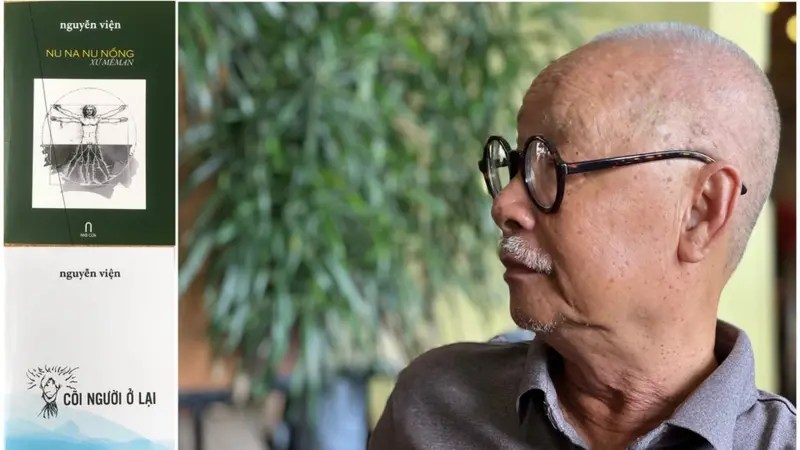
And this is my soul | Nguyễn Viện

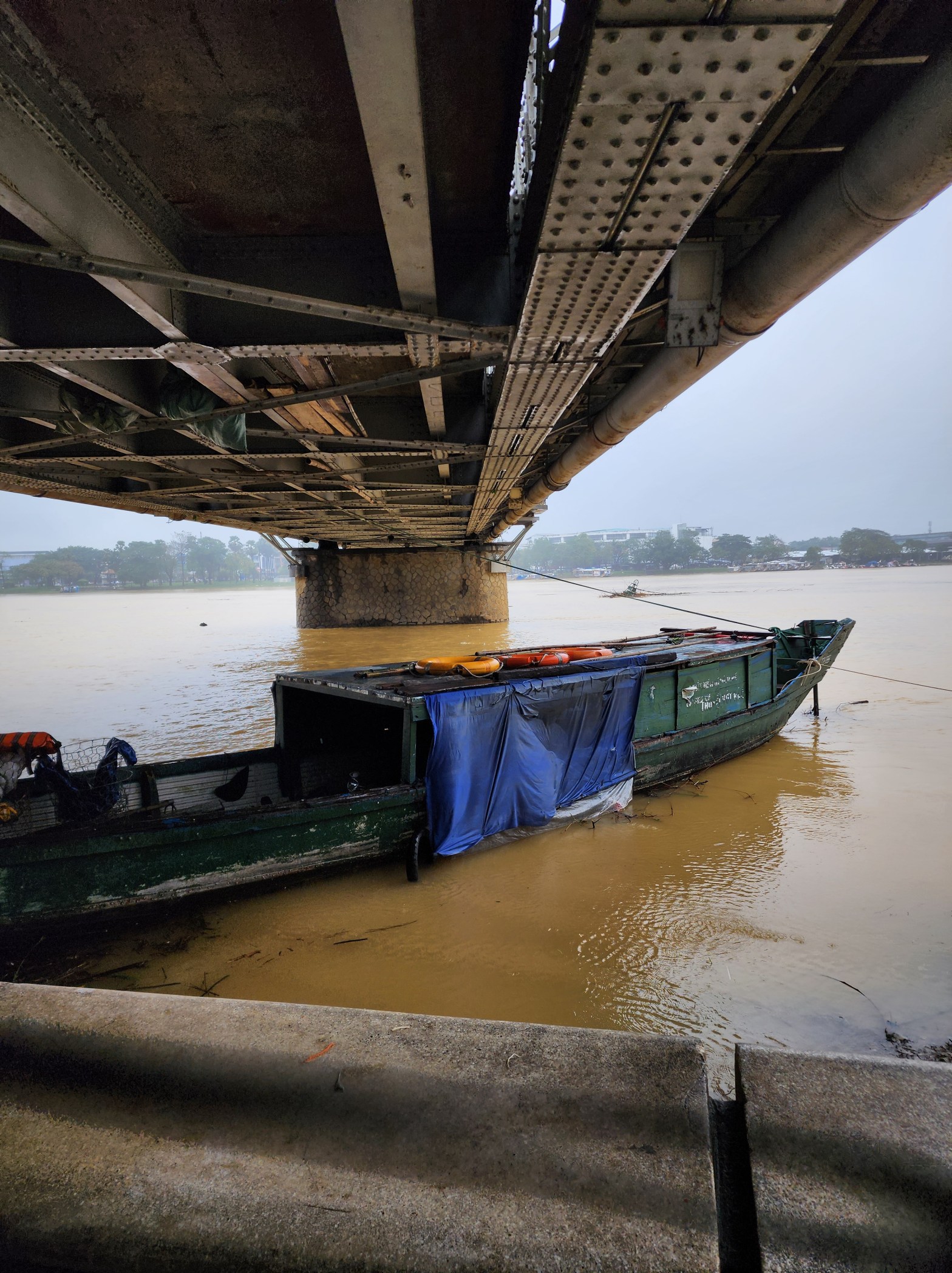
Sông Hương, Huế, Việt Nam Winter 2025. Photography Nguyễn Thị Phương Trâm

A poem in Vietnamese by Nguyễn Viện
Translator: Nguyễn Thị Phương Trâm

A dream is not a dream when I die
ghosts piled on top of each other in a dark corner
ghosts piled on top of me from one life to another
my life repeated time and again day in day out when dreams are no longer dreams
when dreams repeat themselves the way the air repeatedly gets pumped through the narrow airways in my lungs
breaths so old that there is no oxygen left turn dreams into reality

the young woman said, “I loathe you”
hence I must die and in truth I have lived like a corpse
I have lain there for years and dreamed of life
the young woman said, “you will never understand me”
incomprehensible is life and I love her as I love what is incomprehensible
what I tried to reach both inside and outside of me is the incomprehensible

sometimes I think she is like me or belongs to me and she is me
as it turned out when the dreams were extinguished I realized that she is the ghosts that are piling up on top of me and I know I will never have any real dream
and the ghosts, they continue to choke me

Và đây là linh hồn tôi


Một giấc mơ không là một giấc mơ khi tôi nằm xuống
trong góc khuất với những bóng ma chồng chất lên nhau
những bóng ma cũng chồng chất lên tôi như thể chính tôi chồng chất lên tôi từ kiếp này qua kiếp khác
vì thế những giấc mơ không là giấc mơ khi tôi lập lại cuộc đời mình ngày này sang ngày khác một bộ dạng như nhau
cho đến khi cả những giấc mơ cũng lập lại nhau như tôi lập lại hơi thở với một lá phổi hẹp
và những hơi thở cũ đến nỗi không còn dưỡng khí và nó biến những giấc mơ thành hiện thực

cô gái nói, “tôi ghê tởm anh”
do đó tôi phải chết và thật sự thì tôi đã sống như một xác chết
tôi đã nằm ở đó nhiều năm và mơ tưởng sự sống
cô gái nói, “không bao giờ anh hiểu được tôi”
sự sống thì không thể hiểu và tôi yêu cô như yêu cái không hiểu được
cái không hiểu được có thể ở trong tôi hay ngòai tôi nhưng nó chính là cái tôi muốn vươn tới

đôi khi tôi tưởng cô cũng như tôi hay thuộc về tôi và là chính tôi
khi giấc mơ bị dập tắt, tôi nhận ra cô chính là những bóng ma chồng chất lên tôi và tôi biết sẽ không bao giờ tôi có một giấc mơ thật sự
những bóng ma ấy vẫn làm tôi nghẹt thở

18.7.2011


Nguyễn Viện, born Nguyễn Văn Viện, on February 1, 1949 in Dong Xa, Hai Duong, is a journalist and writer, self-published author, on noteworthy subjects like sex and politics, listed by RFA as Resistance Literature. Currently living and writing in Saigon, Vietnam.

Nguyễn Thị Phương Trâm, the blogger, poet, and translator, was born in 1971 in Phu Nhuan, Saigon, Vietnam. The pharmacist currently lives and works in Western Sydney, Australia.

AUTUMN WAITING FOR IT’S LAST BREATH | Nguyễn Viện

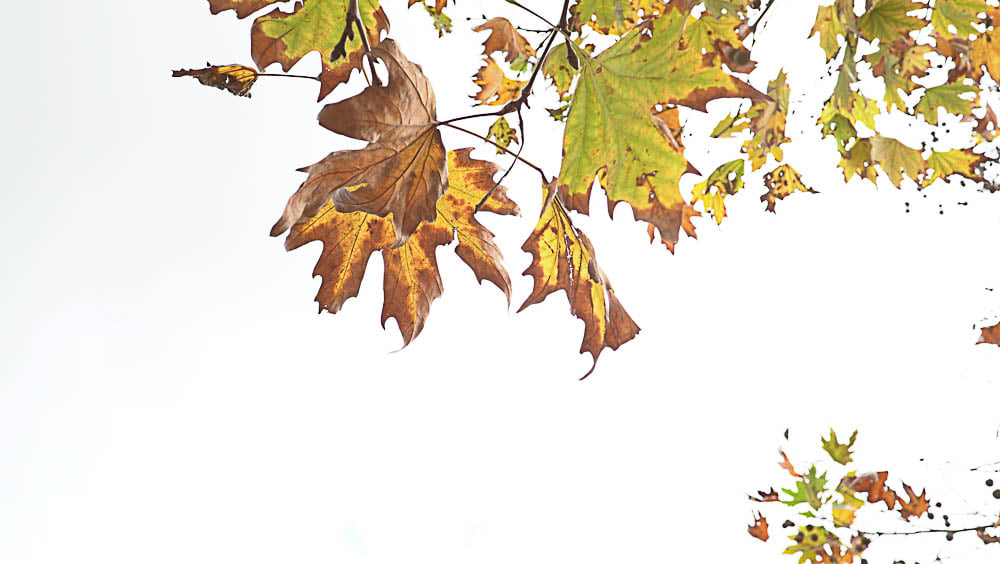
autumn. Photography: Nguyễn Thị Phương Trâm

A poem in Vietnamese by Nguyễn Viện
Translator: Nguyễn Thị Phương Trâm

Published on Tạp Chí Thế Kỷ Mới

I shan’t wait for autumn to talk about death or dying
since autumn is death
as day after day I am dying
brittle branches breaking
you’re here but you’re unreachable

I shan’t wait for the end of the world to talk about people or despair
since the end of the world is already here
even when I am in your arms it’s the peak of of my despair
the hyprocrisy of tomorrow

I shan’t wait till you leave to talk about survival or love
since ageless is my love
and eternal is your presence

I’m not waiting for a miracle or blessing through such a horrifying time
since our lives are as ephemereal as the sea grass
laughable dreams

like a terminal patient waiting for death
what I will do is nothing
do nothing
until it is done

If you want to mourn then please mourn you should for what is meaningless

NHƯ MÙA THU CHỜ CHẾT


Tôi không đợi đến mùa thu để nói về cái chết hay điều gì đó như nỗi tàn phai
bởi mùa thu nào chẳng chết
như tôi chết mỗi ngày
những cành khô thoắt gãy
em chưa xa đã diệu vợi

Tôi không đợi đến tận thế để nói về con người hay nỗi tuyệt vọng
bởi lúc nào chẳng tận thế
nỗi tuyệt vọng vẫn vô cùng ngay cả khi em ôm tôi
ngày mai là một từ giả nguỵ

Tôi không đợi đến ngày em bỏ đi để nói về tình yêu hay sự tồn tại
bởi tình yêu tôi là vĩnh cửu
sự có mặt của em là vĩnh hằng

Trong những ngày tháng kinh dị này
tôi không chờ đợi một phép màu hay ân sủng
bởi cuộc đời chúng ta vốn dĩ đã bèo bọt
những ước mơ thành mỉa mai

Như những kẻ ốm đau chờ chết
tôi sẽ không làm gì
không làm gì
cho đến khi mọi sự hoàn tất

Nếu em có khóc thương thì hãy khóc thương cho sự vô nghĩa.

NGUYỄN VIỆN
13/10/2025


Nguyễn Viện, born Nguyễn Văn Viện, on February 1, 1949 in Dong Xa, Hai Duong, is a journalist and writer, self-published author, on noteworthy subjects like sex and politics, listed by RFA as Resistance Literature. Currently living and writing in Saigon, Vietnam.

Nguyễn Thị Phương Trâm, the blogger, poet, and translator, was born in 1971 in Phu Nhuan, Saigon, Vietnam. The pharmacist currently lives and works in Western Sydney, Australia.

FUCK IT | Nguyễn Viện

Nguyễn Viện (source: the author's social media)

A poem in Vietnamese by Nguyễn Viện
Translator: Nguyễn Thị Phương Trâm

I love the way you throw around openly
your crude profanity

may it be
bar or cafe
the uninvited storm finds you
spitting at the rain
the sweetest breeze finds you
throwing into nothingness the fucks

I tell you I love
you don’t believe me
I shower you with gifts and you say
I’m your cup of tea

life is rarely smooth sailing
you tell your sadness your bad luck
to get fuck

guzzling a gallon of beer
you tell your delusions O my dear
go fuck yourself
you deny the shameless kiss butt
you tell them to get fuck

while here I am
I have no one left
to even give
a fuck.

Đ.M.


anh thích em văng tục trong quán nhậu
anh thích em văng tục khi ngồi café
một cơn mưa bất chợt, em chửi thề thời tiết
một ngọn gió trong lành, em chửi thề hư không

khi tỏ tình, em đụ má anh xạo
khi tặng quà, em đụ má anh hết sảy

cuộc đời không phải lúc nào cũng đẹp
em đụ má cơn xui
em đụ má nỗi buồn
uống bia, em đụ má thiên thu mộng ảo
những nịnh hót không biết ngượng, em đụ má con người

bữa nay anh ế độ, không biết đụ má ai.

NGUYỄN VIỆN
29/9/2025


Nguyễn Viện, born Nguyễn Văn Viện, on February 1, 1949 in Dong Xa, Hai Duong, is a journalist and writer, self-published author, on noteworthy subjects like sex and politics, listed by RFA as Resistance Literature. Currently living and writing in Saigon, Vietnam.

Nguyễn Thị Phương Trâm, the blogger, poet, and translator, was born in 1971 in Phu Nhuan, Saigon, Vietnam. The pharmacist currently lives and works in Western Sydney, Australia.

HOW TO KILL TIME OF AN AFTERNOON? | Nguyễn Viện

Sông Hương, Huế, Việt Nam Winter 2025. Photography Nguyễn Thị Phương Trâm

A poem in Vietnamese by Nguyễn Viện
Translator: Nguyễn Thị Phương Trâm

morning sickness each afternoon
madness each afternoon
chilling death each afternoon

me tying a rope around my legs pulling myself off the ground and I’m upside down
swinging in the sky
me climbing a tree to be free fly with the birds towards coming dark clouds
so that when I fall I will fall like water
and at the top of a waterfall
I will fall into a pit of darkness to salvage my soul

the game I play each afternoon
the death I want each afternoon

LÀM THẾ NÀO CHO HẾT MỘT BUỔI CHIỀU?

Mỗi buổi chiều là một cơn ốm nghén
Mỗi buổi chiều là một cơn điên
Mỗi buổi chiều là một cái chết buốt
 
Tôi buộc sợi dây thừng vào hai chân và kéo dốc ngược mình lên khỏi mặt đất
Đu đưa với bầu trời
Tôi leo lên một ngọn cây và bay cùng với lũ chim về phía đám mây đen đang kéo đến
Để khi rơi xuống tôi sẽ là những giọt nước
Và trên một đỉnh thác
Tôi sẽ lao xuống vực thẳm vớt lấy linh hồn mình
 
Mỗi một buổi chiều tôi có một trò chơi
Mỗi một buổi chiều tôi đều muốn chết.

2011


Nguyễn Viện, born Nguyễn Văn Viện, on February 1, 1949 in Dong Xa, Hai Duong, is a journalist and writer, self-published author, on noteworthy subjects like sex and politics, listed by RFA as Resistance Literature. Currently living and writing in Saigon, Vietnam.

Nguyễn Thị Phương Trâm, the blogger, poet, and translator, was born in 1971 in Phu Nhuan, Saigon, Vietnam. The pharmacist currently lives and works in Western Sydney, Australia.

THE SACRED LEVEL OF THE SMELL OF A BARREN WOMB | Nguyễn Viện

Nguyễn Viện (source: BBC News Tiếng Việt)

A poem in Vietnamese by Nguyễn Viện
Translator: Nguyễn Thị Phương Trâm

Published on Tạp Chí Thế Kỷ Mới

January or October
your smell is an illusion
in a gust of wind

sudden rain
cruel fading light
the thought there or
not at all
someone’s fading footstep
unhindered by I

mountain and sea
to the end of this life the cold shoulder
beyond the absent desire
my infinite affection for you

my resting place
my death. and resurrection. like the smell of your barren womb

what I have is not a word
be it joy or a smile for a dying soul
nor do I for this tired body
your forgotten embrace
what I have is not I just now is the past?

if I can’t be defined by the embodiment of you then how can there ever be salvation for such a dream?

MÙI TUYỆT TỰ TRÊN TẦNG THÁNH VỊNH

Tháng mười hay tháng giêng
Cũng chỉ là một ảo tượng của cơn gió
Mang theo mùi hương em

Những cơn mưa bất chợt
Những ngọn nắng tàn phai
Nhớ và quên
Bước chân người đã lặng
Tôi không níu giữ

Như núi và biển
Lạnh nhạt suốt đời này
Tôi không thương nhớ
Nhưng tôi vẫn yêu em muôn thuở

Nằm xuống ngày vọng mộ
Tôi chết. Và phục sinh. Như mùi em tuyệt tự

Tôi đã còn không tiếng reo
Của hân hoan nụ cười cho một linh hồn rã mục
Tôi đã còn không vòng tay ôm của em thuở trước cho một thân xác mỏi mòn
Tôi đã còn không một tôi vừa quá vãng?

Nếu tôi không được định nghĩa bằng em thì cơn mê này làm sao cứu rỗi?

NGUYỄN VIỆN
9/10/2025


Nguyễn Viện, born Nguyễn Văn Viện, on February 1, 1949 in Dong Xa, Hai Duong, is a journalist and writer, self-published author, on noteworthy subjects like sex and politics, listed by RFA as Resistance Literature. Currently living and writing in Saigon, Vietnam.

Nguyễn Thị Phương Trâm, the blogger, poet, and translator, was born in 1971 in Phu Nhuan, Saigon, Vietnam. The pharmacist currently lives and works in Western Sydney, Australia.

WHERE YOU ARE HOME | Nguyễn Viện

Sông Hương, Huế, Việt Nam Winter 2025. Photography Nguyễn Thị Phương Trâm

A poem in Vietnamese by Nguyễn Viện
Translator: Nguyễn Thị Phương Trâm

the sand is hot
thorns popping out of the ground
all around
your feet
your head buried
in the wind ignored
the demons digging around inside your blood vessels
as the swarm of flies pull you down
an emptiness

precarious by the day
your footing on the sand
hot with a bloodless heart
try to stop yourself from disappearing
between the urges of the soul and blind obsession

where I could never be
your fingers falling apart each time you try to hold onto what is sweet
your heels slipping on the same old thing
where I will never know
where all hope is lost

and then you would ask for help with just
the one question: “How are you?”

NƠI EM VỀ

Cát nóng và gai nhọn mọc quanh bàn chân
Em úp mặt vào gió và mặc cho bọn quỉ bươi móc trong huyết quản
Trong lúc lũ ruồi kéo em xuống
Một khoảng trống
 
Càng lúc càng mong manh
Nhưng làm thế nào để em đứng vững giữa cát nóng với một trái tim khô
Làm thế nào để em đừng tan ra giữa sự thôi thúc của linh hồn và sự ám ảnh mù mịt
 
Nơi anh không thể tới
Những ngón tay em đứt rời khi bám vào sự ngọt ngào
Những ngón chân em trơn trượt trên những cái cũ mèm không thể gỡ bỏ
Nơi anh không biết
Đã mất hút niềm hy vọng
 
Và rồi em cầu cứu
Chỉ với một câu hỏi: “Anh khoẻ không?”
 
5.4.2009


Nguyễn Viện, born Nguyễn Văn Viện, on February 1, 1949 in Dong Xa, Hai Duong, is a journalist and writer, self-published author, on noteworthy subjects like sex and politics, listed by RFA as Resistance Literature. Currently living and writing in Saigon, Vietnam.

Nguyễn Thị Phương Trâm, the blogger, poet, and translator, was born in 1971 in Phu Nhuan, Saigon, Vietnam. The pharmacist currently lives and works in Western Sydney, Australia.

Swine, pigs & Poetry | Bùi Chát

Bùi Quang Viễn, Photo by Trà Cù Lủ

editorial by Bùi Chát
translation by Nguyễn Thị Phương Trâm

1.

Swine and Pigs are 2 completely different kinds of animals, Swine are swine and Pigs are Pigs, Pigs are Northern creatures and Swine are Southern animals. The fate of Swine and Pigs are nothing alike. Pigs will be skinned alive, their lard used to bake cake, Swine follow the arts they make porn. Between Pigs and Swine there is not just a divide in geography, but a huge gap between rich and poor, nobility and commoners, blue blood and farmers.

Swine as an identity have been around for how long no one knows, but it has to be at least before the war. A war that was dragged on and on at the detriment of both Swine and Pigs. Pigs fought in the name of their breed, Swine chased after their freedom to live. Pigs wanted a collective, unification on all fronts, they started the war for a simple reason: on this earth there can only be Pigs. Swine, with the help of those with like minds fought back with everything they got, refused to give in, so they can keep their identity, they want to be called Swine.

Finally the war ended, wins and advantages belonged to the Pigs, even though after half a century, after all the trial and imposition, Swine are not Pigs, and Pigs are no longer Pigs either, neither side cared about reunification or harmony.

But at a glance there still, rows after rows and line after line, there are pigs pen full of Swine and Pigs.

2.

Dương Tường – a poet and translator is adept in how to live with Pigs, said: The first person who called a Thrush a Thrush before it had a name was indeed a poet. I don’t know! I don’t know for sure if the person who named a Dragonfly Dragonfly, Grasshopper a Grasshopper, Mallard a Mallard was a poet or not.

It should be obvious that – I was born and raised in the land of Swine – as a poet but not once did I managed to name any thing/creature. I have composed hundreds of poems amongst them some have been published. I am a poet not because of the hundred of poems, my problem is that I believed I was a poet before I composed those poems, or it is very possible that I was able to compose those poems because I believed that I was and still am a poet. Sometimes I would wonder if I’m still a poet, and I have called myself a veteran of not war but poetry especially in the past ten years, a period of time when I have not touch or be near anything to do with poetry, reading or writing, both.

Even if I am not a poet, I can still discern cat call via the cries of Pigs-Swine what one would defined as Feline since it did cry “meow meow”, the Elephant’s trumpet in the oink oink of Pigs-Swine that is called an Elephant sound because of it long nose, and much like a crow because it is a crow, the way say a Cow is called a Cow since it would often squawk “caw caw”, “moo, moooo”…

and of course it is rudimentary that one can not apply this rule to just anything, for instance if one were to apply this rule when it comes to a Dog then it would bark “wow wow”, “ruff ruff”, “woof woof”, or one might call a Dog a Woof of a Wolf…

Derived from arguments between two regions of Pigs-Swine despite whether speech was formed or not, anyone can be a poet if this is what they want. With the desire to change the vernacular.

3.

Poetry was not an art that came first, even more so that it was not an art that had first began here. Even so, this land’s desire to change the vernacular is rather commendable.

I do not know the exactly statistic, but personally I believe that after a quarter of a century that the Pigs have been in charge there has been a 25 to 30% decline in the vernacular of Swine. Admittedly significant was the Swine’s efforts in trying protect and preserve their heritage, when they were displaced, when they were forced to leave, the most valuable asset they took with them was their vernacular. Roaming all over the world, proudly speaking their language amongst other communities, print newspapers, write and publish literature, and in whatever they might be doing they applied their vernacular. The conservation effort of the Swine populace may have succeeded if it weren’t for the effort to destroy, in other words, without the House of Pigs’ effort to change the language.

But in truth whether the house of Pigs were deliberate in trying to change the vernacular the vernacular itself was already changing, the way it would say within the politics of imperial courts it had its own evolution, and everyone can become a poet in their way.

If we truly believe the legendary tale of the Tower of Babel then what should be on our mind? The Tower of Babel does not only represent the birth of language, but also the metaphor specifically for the formation of each language. The Tower of Babel can not reside any where else but within each language, is the history of each language not the history of The Tower of Babel?!!

I like the idea of a poem being like The Tower of Babel, and it being intrinsically the will of the vernacular more so than the will of the poet. The poet clearly plays the role of the creator, he wants his creation, his poem to remain flawed, hence the words, terminologies, images in the poem finds it impossible to truly communicate, form a bond strong enough to be called friends, connect to then break, fall apart… so the poem may remain forever incomplete, forever a failure.

Reading and writing within our vernacular means reading and writing within a state of utter nonsense, utter chaos, where the conciousness is left in a state of turmoil of undefined ideas, creating and destroying simultaneously, war and peace, just as old as it is new, at the same time beg and borrow mend regenerate, born again.

In each writing endeavour, I find myself endeavouring to build another tower of Babel, while reading is an endeavour to destroy it.

Even though the subject of art was not born first, the undeniable possibility is that when art is bound by the vernacular it becomes an art that is most sustainable, and possibly the last subject of art that will survive in the end.

The business of poetry begins with the vernacular, its survival is parralel with the vernacular, it’s not easy to replace poetry with anything else but the vernacular.
Heo, lợn & thơ

Bùi Chát

1.

Heo và Lợn thực tế là 2 sinh vật hoàn toàn khác nhau, Heo là Heo và Lợn là Lợn, Lợn sinh ra ở miền Bắc và Heo sinh ra ở miền Nam. Số phận của Lợn và Heo cũng chẳng giống gì nhau. Lợn chắc chắn bị bức hại, lột da làm bánh (bánh da Lợn), Heo chạy theo nghệ thuật, làm diễn viên, sống chết vinh nhục với điện ảnh (phim con Heo). Giữa Lợn và Heo không chỉ là khoảng cách về không gian địa lý, mà còn là khoảng cách của giàu nghèo, của sang với hèn, của bần nông và quý tộc.

Tên gọi Heo có từ khi nào thì không biết, nhưng phải có trước cuộc chiến. Một cuộc chiến có thể nói là lê thê và tốn kém giữa Heo và Lợn. Lợn nhân danh giống nòi, Heo theo đuổi tự do. Lợn đã muốn thâu tóm, nhất thống mọi mặt, khởi động cuộc chiến với lý do hết sức đơn giản: trên mảnh đất này tất cả phải là Lợn. Heo, với sự giúp sức của đồng bọn chống trả quyết liệt, không chịu nhượng bộ, chỉ để được gọi tên đúng như mong muốn, là Heo.

Rốt cuộc chiến tranh kết thúc, thắng lợi thuộc về nhà Lợn, tuy nhiên sau gần nửa thế kỷ, dù đã rất cố gắng áp đặt, nhưng Heo vẫn không phải là Lợn, Lợn cũng chẳng còn là Lợn nữa, chẳng bên nào quan tâm đến hòa hợp và thống nhất.

Nhưng thỉnh thoảng cũng thấy đâu đó, hàng hàng lớp lớp, cả một bọn mặt Lợn tim Heo.

2.

Dương Tường – một nhà thơ và dịch giả có nhiều kinh nghiệm ở xứ Lợn, nói: Người đầu tiên gọi con Chích Choè là Chích Choè khi nó còn khuyết danh, người đó đích thực là nhà thơ. Tôi thì không chắc lắm! Tôi cũng không dám chắc những người đặt tên cho con Chuồn Chuồn là Chuồn Chuồn, Châu Chấu là Châu Chấu, Le Le là Le Le có phải là nhà thơ không nữa.

Dĩ nhiên tôi – sinh ra và lớn lên trong miền Heo – là một nhà thơ dù tôi chưa biết đặt tên cho bất kỳ con/vật nào. Tôi cũng đã làm hàng trăm bài thơ và xuất bản một ít trong số đó. Không phải vì hàng trăm bài thơ đó mà tôi trở thành nhà thơ, vấn đề là tôi luôn nghĩ mình là một nhà thơ trước khi viết những bài thơ đó, hoặc có thể vì nghĩ mình là nhà thơ nên tôi mới viết được những bài đó cũng nên. Đôi khi tôi cũng hay tự nhủ không biết mình có phải là một nhà thơ không nữa, và tôi cũng từng gọi mình là cựu nhà thơ trong mười năm, đó là khoảng thời gian tôi không đụng chạm gì đến thơ hoặc những gì liên quan thơ, dù là đọc hay viết.

Nhưng nếu không phải là một nhà thơ, tôi cũng sẽ thấy rõ con Mèo trong tiếng Lợn-Heo được gọi là Mèo vì có thể nó đã kêu “meo meo”, con Voi trong tiếng Lợn-Heo được gọi là Voi có lẽ vì nó có cái vòi, và tương tự con Quạ được gọi là Quạ, con Bò được gọi là Bò vì nó thường kêu “quạ quạ”, “b..òòò, bòòò”…

Đương nhiên ta không thể áp dụng quy luật ấy cho tất cả mọi sự vật, lấy ví dụ nếu buộc phải áp dụng quy luật ấy cho con Chó thì hoặc là con Chó phải sủa “nó nó”, “chó chó”, “ó, ó” hoặc con Chó phải được gọi là con Gâu hay con Gấu….

Hiểu theo cách lập luận của hai miền Lợn-Heo thì dẫu có sáng tạo ra ngôn ngữ hay không, bất cứ ai cũng có thể trở thành nhà thơ nếu họ có nhu cầu. Nhu cầu làm biến đổi ngôn ngữ.

3.

Thơ không phải là môn nghệ thuật ra đời sớm nhất, càng không phải là môn nghệ thuật ra đời ở xứ sở này. Tuy nhiên, nhu cầu làm biến đổi ngôn ngữ ở nơi đây thì quả là đáng nể.

Tôi chưa biết có một thống kê rõ ràng cụ thể nào, nhưng theo suy đoán chủ quan của tôi thì có tới 25 đến 30% cách dùng tử của miền Heo bị biến mất chỉ sau 1/4 thế kỷ nhà Lợn làm chủ. Cho dù nỗ lực bảo tồn, bảo vệ của nhà Heo phải thừa nhận là đáng kể, tài sản quý giá nhất mà họ có thể mang theo khi di tản là ngôn ngữ. Dong ruổi khắp địa cầu, sử dụng thường xuyên một cách tự hào trong những cộng đồng ngôn ngữ khác, làm báo, làm văn học, làm xuất bản, và làm gì thì họ cũng dùng ngôn ngữ của họ. Nỗ lực bảo tồn ngôn ngữ của dân Heo biết đâu có thể đã thành công nếu không có nỗ lực phá huỷ, nói cách khác nếu không có nỗ lực làm biến đổi ngôn ngữ của nhà Lợn.

Nhưng thực tình mà nói dù cho nhà Lợn có ý thức hay không ý thức về việc làm biến chuyển ngôn ngữ thì bản thân ngôn ngữ cũng tự biến chuyển, nói theo kiểu chính trị cung đình là tự diễn biến. Ngôn ngữ đã tự diễn biến, và mỗi người tham gia vào tiến trình ngôn ngữ đều ý thức được vai trò tự diễn biến của mình, rồi mỗi người đều đã có thể trở thành nhà thơ theo một cách riêng.

Nếu thực sự chấp nhận huyền thoại Tháp Babel thì ta phải nghĩ gì? Tháp Babel không chỉ là biểu tượng cho sự ra đời của các ngôn ngữ, mà còn là ẩn dụ cho sự hình thành từng ngôn ngữ cụ thể. Tháp Babel đã ở đâu nếu không phải là ở trong chính từng ngôn ngữ, chẳng phải lịch sử của mỗi ngôn ngữ là lịch sử của Tháp Babel hay sao?!!

Tôi thích hình dung bài thơ như một tháp Babel, và tôi cũng nghĩ bài thơ được hình thành từ ý chí nội tại của ngôn ngữ hơn là ý chí của nhà thơ. Nhà thơ chắc hẳn luôn cho mình có vai trò như thượng đế, hắn có bao giờ muốn bài thơ được hoàn thành đâu, vì vậy hắn đã làm cho các từ ngữ, hình ảnh trong bài thơ không thể nào hiểu được nhau, chạm được nhau để bàn bạc, liên kết mà phải chia rẽ, tan vỡ… để bài thơ luôn luôn phải dở dang, luôn luôn phải thất bại.

Đọc và viết trong ngôn ngữ của chúng tôi là đọc và viết trong sự quàng xiên, hổ lốn, đấy tỉnh xáo trộn từ chuyện này qua chuyện kia, vừa sáng tạo vừa phá hủy, vừa hòa bình vừa chiến tranh, vừa cũ lại vừa mới, vừa vay mượn chắp vá lại vừa tái tạo, hồi sinh.

Mỗi nỗ lực viết, tôi tự thấy là mỗi nỗ lực xây dựng tháp Babel, còn mỗi nỗ lực đọc là nỗ lực phá hủy nó.

Tuy không phải là môn nghệ thuật ra đời sớm nhất, nhưng biết đâu nghệ thuật gắn liền với ngôn ngữ có thể sẽ là môn nghệ thuật tồn tại lâu dài nhất, và cũng có thể sẽ là môn nghệ thuật cuối cùng cho đến khi mọi thứ kết thúc.

Thơ khởi nghiệp từ ngôn ngữ, tồn tại cùng ngôn ngữ, thật khó có thể thay thế thơ bằng thứ gì khác ngoài ngôn ngữ.


Bùi Chát is the poet, writer, publisher and artist’s pen name. Bùi Quang Viễn was born on October 22, 1979, at Hố Nai, Biên Hòa, Đồng Nai Province, Việt Nam. Born to family of patriotic Catholic refugees from the North in 1954.

Graduated in 2001 from the Faculty of Literature, Linguistics, and Journalism of Hồ Chí Minh City University of Social Sciences and Humanities. Bùi Chát named and cofounded Nhóm Mở Miệng (Open Mouth Group) with the poet and writer Lý Đợi, promoting Graveyard & Garbage Poetry.

Nhà Xuất bản Giấy Vụn (Scrap Paper Publishing House), also founded by Bùi Chát, distributions of xerographically structured sensitive works by “pavement poets”. In 2004, Bùi Chát and cofounder Lý Đợi were detained for two days for distributing flyers at a poetry reading raided by the authority. In 2005, the culture department blocked their performance at the Goethe Institute in Hà Nội.

In 2011, Bùi Chát was awarded the IPA Freedom to Publish Prize “for his exemplary courage in upholding the freedom to publish.” He was arrested on his return to Việt Nam after receiving the award in Buenos Aires and detained for several days.

Nguyễn Thị Phương Trâm, the blogger, poet, and translator, was born in 1971 in Phu Nhuan, Saigon, Vietnam. The pharmacist currently lives and works in Western Sydney, Australia.

to begin a poem | Bùi Chát

Khai mạc 'Đang trôi'. Photo by Trà Cù Lủ

poem inspired art by Bùi Chát
translation by Nguyễn Thị Phương Trâm

the way one would go to sleep
what could truly be
beyond the aptitude of forgetfulness
where we did once upon a time exist
to begin a poem

Để bắt đầu một bài thơ


Như cách chúng ta khởi động giấc ngủ
Điều gì đã thực sự tồn tại
Ngoài kinh nghiệm của lãng quên
Nơi chúng ta từng hiện diện
Để bắt đầu một bài thơ

(Chúng ta đang trôi đi đâu?! – Nxb Đà Nẵng 2025)


Bùi Chát is the poet, writer, publisher and artist’s pen name. Bùi Quang Viễn was born on October 22, 1979, at Hố Nai, Biên Hòa, Đồng Nai Province, Việt Nam. Born to family of patriotic Catholic refugees from the North in 1954.

Graduated in 2001 from the Faculty of Literature, Linguistics, and Journalism of Hồ Chí Minh City University of Social Sciences and Humanities. Bùi Chát named and cofounded Nhóm Mở Miệng (Open Mouth Group) with the poet and writer Lý Đợi, promoting Graveyard & Garbage Poetry.

Nhà Xuất bản Giấy Vụn (Scrap Paper Publishing House), also founded by Bùi Chát, distributions of xerographically structured sensitive works by “pavement poets”. In 2004, Bùi Chát and cofounder Lý Đợi were detained for two days for distributing flyers at a poetry reading raided by the authority. In 2005, the culture department blocked their performance at the Goethe Institute in Hà Nội.

In 2011, Bùi Chát was awarded the IPA Freedom to Publish Prize “for his exemplary courage in upholding the freedom to publish.” He was arrested on his return to Việt Nam after receiving the award in Buenos Aires and detained for several days.

Nguyễn Thị Phương Trâm, the blogger, poet, and translator, was born in 1971 in Phu Nhuan, Saigon, Vietnam. The pharmacist currently lives and works in Western Sydney, Australia.