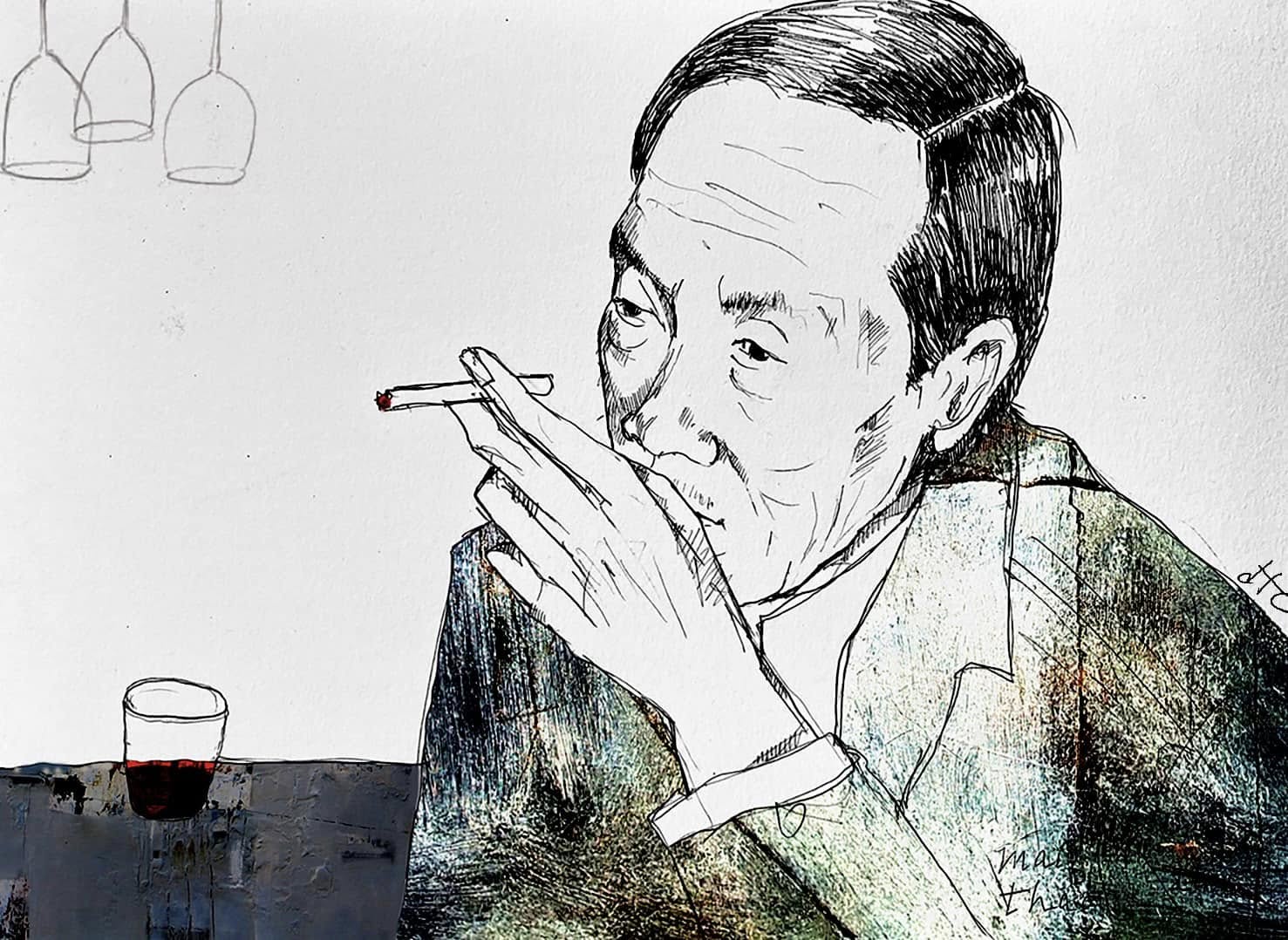
home to the fall | Đinh Trường Chinh

Trung Thu 2023, art by Đinh Trường Chinh

In Vietnamese by Đinh Trường Chinh
Translator: Nguyễn Thị Phương Trâm

home to the fall
home to the fog
to a room cast in darkness
discern the stirring of the dying light

home to. home yes.
to half a glass of your poison
blow away the dust and cobweb of time
in the night wash away
the stains of old & stale faces of those
who haunt us

imminent storms
leave behind their lonely daylight
passing affections
sees. a cold autumn …

trở về với mùa thu
trở về với sương mù
nghe buổi chiều thức dậy
giữa căn phòng âm u

trở về. trở về thôi.
rót cho mình lưng rượu
thổi lớp bụi thời gian
lau mặt đêm ám cũ

những trận bão kéo sang
để lại ngày hiu quạnh
nghe tình vừa đi ngang
nhìn ra. mùa thu lạnh …


Đinh Trường Chinh, the poet, and artist was born in 1970 in South Vietnam. The poet currently works in IT in Virginia, U. S. A.

Viet Pham, translator and poet, passed away today, September 2025.  The world will miss his compassion and sense of humour..

home | Mai Thảo

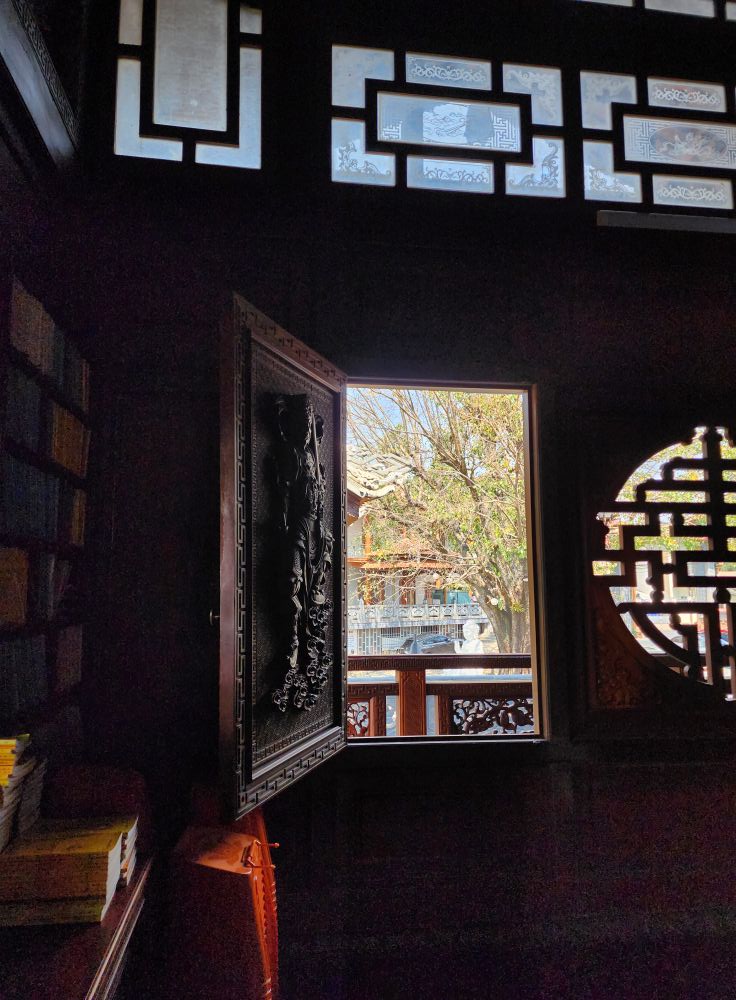
Về quê, Northern Vietnam. Photography by Nguyễn Thị Phương Trâm

A poem in Vietnamese by Mai Thảo
Translator: Nguyễn Thị Phương Trâm

Breakfast leftovers
The sudden guilt the moment it is thrown in the bin
A gem is each grain of rice mother said
Now there’s not even a grain for her to fill her stomach

quê nhà

Cơm thừa mỗi sáng quăng thùng rác
Tay quẳng từng khi bỗng ngại ngần
Mẹ dặn hạt cơm là hạt ngọc
Mẹ giờ không có miếng cơm ăn


Mai Thảo [1927-1998] real name is Nguyen Dang Quy, another pen name: Nguyen Dang, he was born on June 8, 1927 in Con market, Quan Phuong Ha commune, Hai Hau district, Nam Dinh province (originally from Tho Khoi village, Gia Lam district, Bac Ninh province, the same hometown and related to the painter Le Thi Luu), his father was a merchant and wealthy landowner. Mai Thao absorbed his mother’s love of literature from Bac Ninh. As a child, he studied at a village school, went to Nam Dinh high school and then Hanoi (studied at Do Huu Vi school, later Chu Van An). In 1945, he followed the school to Hung Yen. When the war broke out in 1946, the family evacuated from Hanoi to Con market, in the “House of the Salt Water Region”, from then on Mai Thao left home to Thanh Hoa to join the resistance, wrote for newspapers, participated in art troupes traveling everywhere from Lien Khu Ba, Lien Khu Tu to the Viet Bac resistance zone. This period left a deep mark on his literature. In 1951, Mai Thao abandoned the resistance and went into the city to do business. In 1954, he migrated to the South. He wrote short stories for the newspapers Dan Chu, Lua Viet, and Nguoi Viet. He was the editor-in-chief of the newspapers Sang Tao (1956), Nghe Thuat (1965), and from 1974, he oversaw the Van newspaper. He participated in the literature and art programs of radio stations in Saigon from 1960 to 1975. On December 4, 1977, Mai Thao crossed the sea. After 7 days and nights at sea, the boat arrived at Pulau Besar, Malaysia. In early 1978, he was sponsored by his brother to go to the United States. Shortly after, he collaborated with Thanh Nam’s Dat Moi newspaper and several other overseas newspapers. In July 1982, he republished the Van magazine, and was editor-in-chief until 1996, when due to health problems, he handed it over to Nguyen Xuan Hoang; Two years later he died in Santa Ana, California on January 10, 1998.

Nguyễn Thị Phương Trâm, the blogger, poet, and translator, was born in 1971 in Phu Nhuan, Saigon, Vietnam. The pharmacist currently lives and works in Western Sydney, Australia.

bough | Mai Thảo

Mai Thảo

A poem in Vietnamese by Mai Thảo
Translator: Nguyễn Thị Phương Trâm

A bough fell off hoping it might be reattached someday
To a biblical flood in an amazon far away
Nurturing the same hope for fifteen years
The festering blisters at the tip of my fingers

cành

Cành đứt lìa mong ngày ghép lại
Vào thân hồng thuỷ ở rừng xa
Mười lăm năm chỉ niềm mong ấy
Cháy bỏng trên từng đốt ngón ta


Mai Thảo [1927-1998] real name is Nguyen Dang Quy, another pen name: Nguyen Dang, he was born on June 8, 1927 in Con market, Quan Phuong Ha commune, Hai Hau district, Nam Dinh province (originally from Tho Khoi village, Gia Lam district, Bac Ninh province, the same hometown and related to the painter Le Thi Luu), his father was a merchant and wealthy landowner. Mai Thao absorbed his mother’s love of literature from Bac Ninh. As a child, he studied at a village school, went to Nam Dinh high school and then Hanoi (studied at Do Huu Vi school, later Chu Van An). In 1945, he followed the school to Hung Yen. When the war broke out in 1946, the family evacuated from Hanoi to Con market, in the “House of the Salt Water Region”, from then on Mai Thao left home to Thanh Hoa to join the resistance, wrote for newspapers, participated in art troupes traveling everywhere from Lien Khu Ba, Lien Khu Tu to the Viet Bac resistance zone. This period left a deep mark on his literature. In 1951, Mai Thao abandoned the resistance and went into the city to do business. In 1954, he migrated to the South. He wrote short stories for the newspapers Dan Chu, Lua Viet, and Nguoi Viet. He was the editor-in-chief of the newspapers Sang Tao (1956), Nghe Thuat (1965), and from 1974, he oversaw the Van newspaper. He participated in the literature and art programs of radio stations in Saigon from 1960 to 1975. On December 4, 1977, Mai Thao crossed the sea. After 7 days and nights at sea, the boat arrived at Pulau Besar, Malaysia. In early 1978, he was sponsored by his brother to go to the United States. Shortly after, he collaborated with Thanh Nam’s Dat Moi newspaper and several other overseas newspapers. In July 1982, he republished the Van magazine, and was editor-in-chief until 1996, when due to health problems, he handed it over to Nguyen Xuan Hoang; Two years later he died in Santa Ana, California on January 10, 1998.

Nguyễn Thị Phương Trâm, the blogger, poet, and translator, was born in 1971 in Phu Nhuan, Saigon, Vietnam. The pharmacist currently lives and works in Western Sydney, Australia.
& ANOTHER KIND OF DEATH | Nguyễn Viện

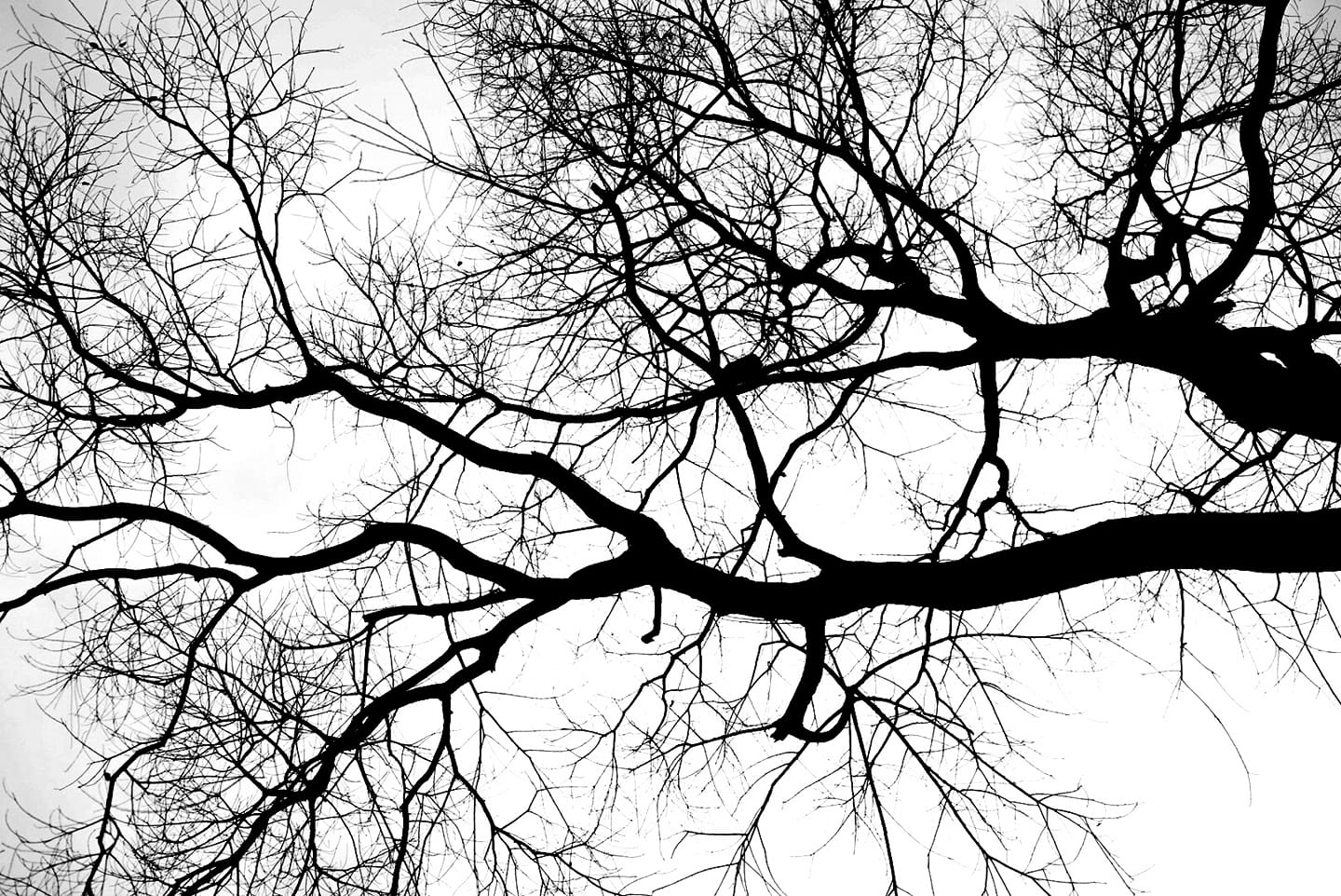
Sông Hương, Huế, Việt Nam Winter 2025. Photography Nguyễn Thị Phương Trâm

A poem in Vietnamese by Nguyễn Viện
Translator: Nguyễn Thị Phương Trâm

I thought the last book I would write might have a title like “a convenience for the sake of morale”. But I have no idea what the plot entails I told a friend of mine. Since I truly did not quite know what “a convenience for the sake of morale” means beyond the random thoughts about life and its usual unfortunate events.

My young friend, she said you had a dream full of conveniences.

I said a convenience for the sake of morale is a liberal attitude not the ability to face any situation. I’m sleepy and so if I were to lie down now I would go to sleep, there’s still a bottle of water next to me, like my young friend and our conversation about the possibility of a novel for instance is just an example.

In Hoi An, another female friend, around the same age as me, meaning that she is also old, she said the message of the movie that she will make with an old caucasian guy (her husband) was that people must dream while they were awake to escape the suffocating ugliness of life, another possible useful example perhaps.

In the movie there was a scene where the husband (in the world of the dead) fucked random women from babies to old women. And I thought the most beautiful scene during all the fucking of these ghosts were the way their “shadows” passed through each other. As though fucking in the world of the dead will just be a convience for the sake of morale completely unburdened by any moral or ethical considerations of the world of the living.

However, what I want to emphasis is that a convenience for the sake of morale is completely void of hedonism.

A convenience for the sake of morale means I can write these sentences and I would feel very “OK” and know that my little lady friend who is quite ill will find it quite amusing. And this for instance is also an example.

& MỘT CÁI CHẾT KHÁC

Tôi có ý định sẽ viết một cuốn tiểu thuyết cuối cùng với chủ đề “sự tiện nghi về tinh thần”. Nhưng tôi nói với cô bạn rằng tôi chưa biết dựng truyện như thế nào. Bởi vì tôi cũng chưa thật sự biết thế nào là “sự tiện nghi về tinh thần” ngoài một ý tưởng bất chợt khi nghĩ về cuộc sống và những nỗi bất hạnh thường ngày.

Cô bạn bảo anh đã mơ một giấc mơ đầy tiện nghi.

Tôi nói tiện nghi tinh thần là một thái độ tự do chứ không phải là khả năng đáp ứng với hoàn cảnh. Tôi đang buồn ngủ và nếu như ngay lúc này tôi nằm xuống và ngủ, bên cạnh tôi vẫn còn chai nước, cô bạn và câu chuyện về cuốn tiểu thuyết có thể là một ví dụ.

Ở Hội An, bà bạn già nói thông điệp của bộ phim (mà bà ấy) sẽ làm cùng ông Tây già (chồng bà ta) là người ta cần phải mơ khi đang thức để thoát khỏi sự bẩn chật của đời sống, có lẽ cũng là một ví dụ tạm sử dụng được.

Trong bộ phim có cảnh người chồng (trong thế giới người chết) đã đụ tứ lung tung từ bà già đến em bé. Và tôi nghĩ hình ảnh phim đẹp nhất trong việc đụ của các bóng ma là cho “bóng” của họ đi xuyên qua nhau. Như thế việc đụ trong thế giới người chết sẽ chỉ là một tiện nghi về tinh thần không vướng bận một chút gì về tính luân lý hay đạo đức của thế giới người sống.

Tuy nhiên, điều tôi nói sự tiện nghi về tinh thần hoàn toàn không mang tính hưởng thụ.

Sự tiện nghi tinh thần là tôi có thể viết những dòng này trong một trạng thái rất “OK” và biết rằng cô bạn bé nhỏ đau yếu sẽ đọc và vui. Đây cũng là một ví dụ.

5.3.2009


Nguyễn Viện, born Nguyễn Văn Viện, on February 1, 1949 in Dong Xa, Hai Duong, is a journalist and writer, self-published author, on noteworthy subjects like sex and politics, listed by RFA as Resistance Literature. Currently living and writing in Saigon, Vietnam.

Nguyễn Thị Phương Trâm, the blogger, poet, and translator, was born in 1971 in Phu Nhuan, Saigon, Vietnam. The pharmacist currently lives and works in Western Sydney, Australia.

graves in the mangroves | Nguyễn Duy

Photography by Dang Tien Bac

thơ Nguyễn Duy
Nguyễn Thị Phương Trâm dịch

blanket me with the salt of the land
my bullet wound steeped in the salt where I land
stings the flesh the bone stings those who lay down their life
tides drowning out the graves

the mangroves have never been so quiet
claiming the sea for a thousand year through the storm
not a day of peace for the people of this land
in the reeds
defending land and country

the living welcoming the dead
out of canoes take those who lay down their life to their graves
streams and deserted paths through the jungle
enough dead soldiers home to make a village

sea and mangrove as far as the eye can see
hungry waves and starving winds
mangrove roots spelling out the names of the fallen
the harden heart of humanity in wood

pools of paint like tears in each letter
as though in each other’s eyes see each other
swells of tears over rows of tombstone
there are those without a home in Cà Mau!

NGHĨA TRANG TRONG RỪNG ĐƯỚC


Ðắp cho anh nấm đất mặn nơi này
Nơi anh ngã muối ngấm vào vết đạn
Xót thịt xót xương, xót người nằm xuống
Thủy triều lên nấm mộ cũng ngập chìm

Rừng đước này chưa bao giờ lặng im
Lấn ra biển suốt ngàn năm bão táp
Người đất này chưa một ngày bình yên
Sống lau lách cả trăm năm giữ đất

Người còn sống đi đón người đã khuất
Xuống ghe đưa các anh về nghĩa trang
Từ hoang vắng mọi ngả rừng, gốc rạch
Các anh về đây ở thành xóm thành làng.

Mút mắt là biển khơi và rừng đước đại ngàn
Cồn cào gió và cồn cào sóng vỗ
Gốc đước già tạc mộ chí cho anh
Có đá của lòng người trong thớ gỗ.

Hàng chữ đọng sơn như mắt người ứa lệ
Như mắt người nhìn nhau
Như lời ai rơm rớm trên hàng hàng bia mộ
Có những người không quê ở Cà Mau!


(Năm 1977)
(Tác giả: Nguyễn Duy)


Nguyễn Duy, a vietnamese poet.

Nguyễn Thị Phương Trâm, the blogger, poet, and translator, was born in 1971 in Phu Nhuan, Saigon, Vietnam. The pharmacist currently lives and works in Western Sydney, Australia.

And this is my soul | Nguyễn Viện

Sông Hương, Huế, Việt Nam Winter 2025. Photography Nguyễn Thị Phương Trâm

A poem in Vietnamese by Nguyễn Viện
Translator: Nguyễn Thị Phương Trâm

A dream is not a dream when I die
ghosts piled on top of each other in a dark corner
ghosts piled on top of me from one life to another
my life repeated time and again day in day out when dreams are no longer dreams
when dreams repeat themselves the way the air repeatedly gets pumped through the narrow airways in my lungs
breaths so old that there is no oxygen left turn dreams into reality

the young woman said, “I loathe you”
hence I must die and in truth I have lived like a corpse
I have lain there for years and dreamed of life
the young woman said, “you will never understand me”
incomprehensible is life and I love her as I love what is incomprehensible
what I tried to reach both inside and outside of me is the incomprehensible

sometimes I think she is like me or belongs to me and she is me
as it turned out when the dreams were extinguished I realized that she is the ghosts that are piling up on top of me and I know I will never have any real dream
and the ghosts, they continue to choke me

Và đây là linh hồn tôi


Một giấc mơ không là một giấc mơ khi tôi nằm xuống
trong góc khuất với những bóng ma chồng chất lên nhau
những bóng ma cũng chồng chất lên tôi như thể chính tôi chồng chất lên tôi từ kiếp này qua kiếp khác
vì thế những giấc mơ không là giấc mơ khi tôi lập lại cuộc đời mình ngày này sang ngày khác một bộ dạng như nhau
cho đến khi cả những giấc mơ cũng lập lại nhau như tôi lập lại hơi thở với một lá phổi hẹp
và những hơi thở cũ đến nỗi không còn dưỡng khí và nó biến những giấc mơ thành hiện thực

cô gái nói, “tôi ghê tởm anh”
do đó tôi phải chết và thật sự thì tôi đã sống như một xác chết
tôi đã nằm ở đó nhiều năm và mơ tưởng sự sống
cô gái nói, “không bao giờ anh hiểu được tôi”
sự sống thì không thể hiểu và tôi yêu cô như yêu cái không hiểu được
cái không hiểu được có thể ở trong tôi hay ngòai tôi nhưng nó chính là cái tôi muốn vươn tới

đôi khi tôi tưởng cô cũng như tôi hay thuộc về tôi và là chính tôi
khi giấc mơ bị dập tắt, tôi nhận ra cô chính là những bóng ma chồng chất lên tôi và tôi biết sẽ không bao giờ tôi có một giấc mơ thật sự
những bóng ma ấy vẫn làm tôi nghẹt thở

18.7.2011


Nguyễn Viện, born Nguyễn Văn Viện, on February 1, 1949 in Dong Xa, Hai Duong, is a journalist and writer, self-published author, on noteworthy subjects like sex and politics, listed by RFA as Resistance Literature. Currently living and writing in Saigon, Vietnam.

Nguyễn Thị Phương Trâm, the blogger, poet, and translator, was born in 1971 in Phu Nhuan, Saigon, Vietnam. The pharmacist currently lives and works in Western Sydney, Australia.
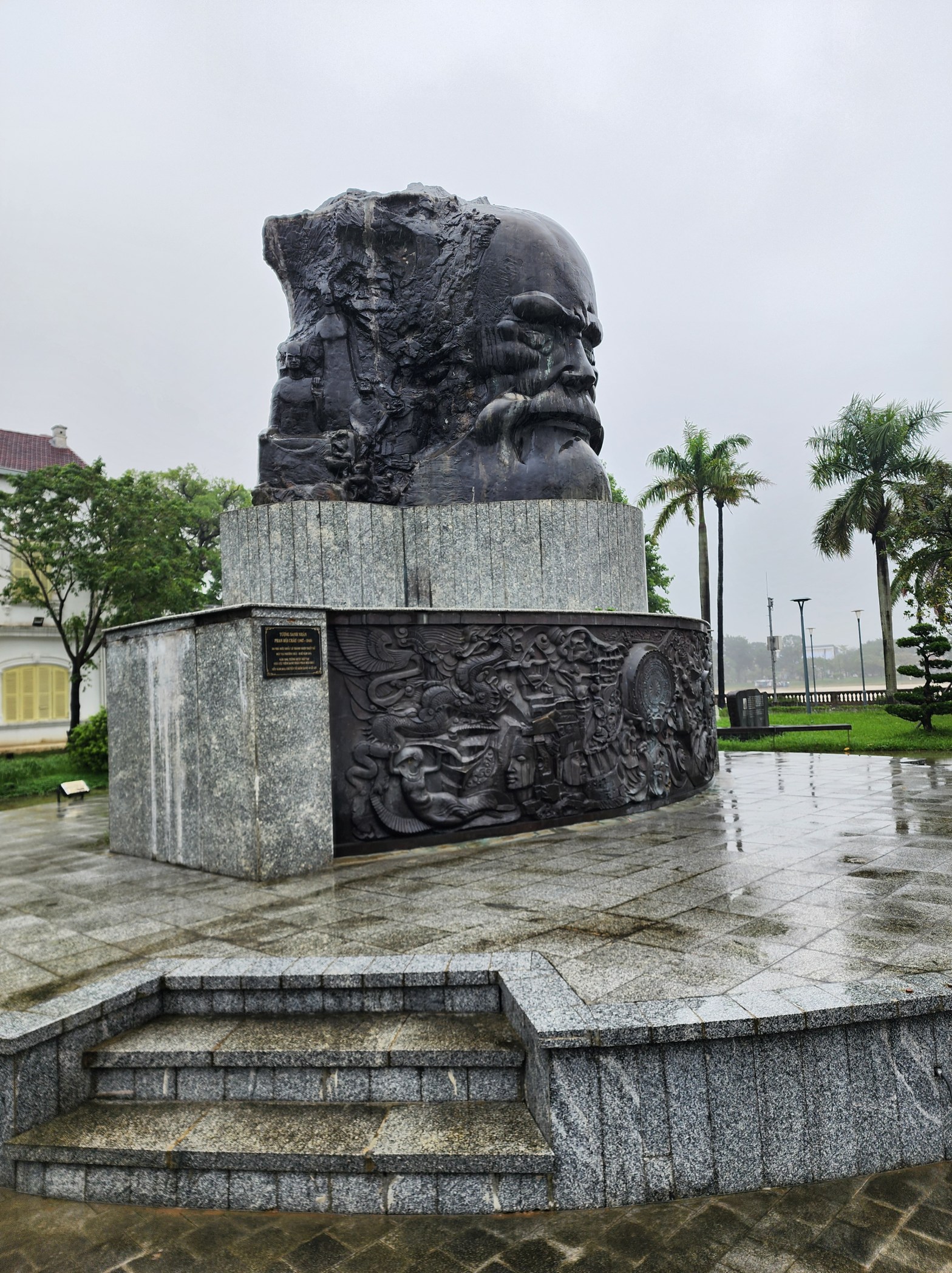
Missing you mate | Hồ Chí Minh

Cô Trâm và bạn Nghĩa

thơ Hồ Chí Minh
Nguyễn Thị Phương Trâm dịch

By the river we said our goodbyes
See you when the harvest is ripe
Now the rice is harvest the land cleared
I’m incarcerated in a foreign land now that’s something to fear!

Ức hữu


Tích quân tống ngã chí giang tân
Vấn ngã quy kỳ chỉ cốc tân
Hiện tại tân điền dĩ lê hảo
Tha hương ngã tác ngục trung thân


Hồ Chí Minh [1890-1969] Bác Hồ, Uncle Ho, the poet was a Vietnamese revolutionary and politician who served as the founder and first president of the Democratic Republic of Vietnam from 1945 until his death in 1969, and as its first prime minister from 1945 to 1955.

Nguyễn Thị Phương Trâm, the blogger, poet, and translator, was born in 1971 in Phu Nhuan, Saigon, Vietnam. The pharmacist currently lives and works in Western Sydney, Australia.
18 on 30/4 | Nguyễn Thị Phương Trâm

James Cases, photography by Nguyễn Thị Phương Trâm

18,
That day Hitler died(1945)
Saigon fell(1975)

You were born kid(1999)
A pale baby,
Your heritage, the isles of Philippines

Born on the island of Australis
Skin deepened
In the land of giant birds

A smiling baby
Brooding young youth
To shouldering the world

You are just 18:
Much to learn
Ego to earn
Infinite paths

You are but 18.

Happy birthday kid.
[A poem for James Cases 2017]


Nguyễn Thị Phương Trâm, the blogger, poet, and translator, was born in 1971 in Phu Nhuan, Saigon, Vietnam. The pharmacist currently lives and works in Western Sydney, Australia.