thơ Nguyễn Thị Minh Ngọc
Nguyễn Thị Phương Trâm dịch
how to confess your love and not lose it
grill other people on how to for the first time love
the unknown doors to brave new worlds
words
vernacular of the flesh
wordless gaze
forget them
run
and that includes death
and still most unfamiliar is affection
the unmet gaze of those we love
dumb anxieties may it be a mean or kind dream

ah who am I to say
to have lived this long to never again love
head first into a river called life
like a fish out of water
craving for death
the way the marriage bed had denied me
as we laugh and cry half a lifetime withered away
by the games we play
cross stitches of pride over shame and humiliation
ignoring the sting of bindii
    under foot mistaking it for a lover
love came out of nowhere
over the mountains
through the ravines of a life spent
may it be life or death matter - no
the enthusiasm for oblivion

discerning the bitter struggle
smells of an impending storm
hid behind mirrors of illusions
the way storms are imprisoned
    in the smallness of one's fist
as the clouds in the sky would hid
    the affections reflected
a fox with nine tails abstained
    from worldly interactions for 999 years
    and 364 days and its tails are dripping
    teary still
cunning enough to get marry
    to avoid being strike down by lightning
cunning enough to get marry
    as a glorify way to confess
love
    regardless of a love that is not real
    regardless of the agony of true pain
    regardless of how harden humanity had become
in its wisdom water could still break
a misguided spirit guardian howling in the dark
enough fret to trouble the moon
LÀM THẾ NÀO…
Làm thế nào để tỏ tình mà tình không biến mất
tra vấn tha nhân bài học vỡ lòng yêu
Những cánh cửa đời xa lạ biết bao-
lời,
ngôn ngữ thân xác,
mắt câm,
quên nó đi,
chạy,
và cả chết…
Nhưng xa lạ nhất vẫn là tình
Người mà ta không dám ngó vào mắt khi đối diện
ngẩn ngơ lo cơn mộng dữ hay lành

Ôi ta,
sống đến đây tưởng như không bao giờ yêu được nữa
lao vào dòng sống ngày mỗi ngày
như cá lao mình khỏi nước
nhìn cái chết thèm thuồng
như nhìn chiếc giừơng cưới luôn chối từ ta
tàn nửa đời trộn cười khóc làm trò chơi
đan xéo lòng kiêu nhòa nỗi nhục
giả dại hôn ngọn cỏ châm đau mà ngỡ người tình
Chợt tình đến,
ngang tàng núi non,
lạnh lẽo huyệt thẳm
mòn sống,
thờ ơ chết,
nồng nhiệt với hư vô

Cảm được vị đắng nhọc nhằn,
 mùi giông sắp đến
đành nhốt tình sau tấm gương bóng ảo chờn chờn
như nhốt bão trong lòng tay nhỏ
như vùa mây đỉnh trời che kính chiếu yêu
hồ ly tu 999 năm 364 ngày,
   đuôi còn nhỏ lệ
mưu toan kết hôn chạy trốn sét trời
mưu toan kết hôn như để tỏ tình
Yêu,
   bất chấp tình ảo
   bất chấp nỗi đau đớn thật
   bất chấp ngọc người ngàn năm tri thức tan bóng nước
Tịch tà lạc bóng
âm âm tiếng hú gợn nhàu trăng


Nguyễn Thị Minh Ngọc
Director Nguyễn Thị Minh Ngọc, born 5 August 1953 in Bà Rịa, Vietnam. She graduated from stage directing in 1980, trained as an actor at the Ho Chi Minh City School of Theater and Cinema and Tran Huu Trang Theater. She was a student of director Nguyen Tuong Tran (second generation disciple of Konstantin Stanislavski), trained as a cải lương performer with People’s Artist Phung Ha, and she trained many renowned native and international drama and cải lương artists like: Meritorious Artist Huu Chau, Huu Nghia, Hong Dao, Quang Minh, Meritorious Artist Huu Quoc, Meritorious Artist My Hang, Luong My, Mai Lan, Hoa Hiep, Xuan Trang, Thanh Phuong.
She taught the subjects of Screenwriting, Drama Theory and History of Vietnamese Theatre at several colleges and universities, co-founded the Experimental Directing Club (1985), staged about 30 traditional and contemporary plays, wrote about 70 traditional and contemporary plays for the stage and about 30 scripts for cinema, hundreds of episodes for television, several research works on theatre and reformed opera, attended many festivals, seminars, composed and researched on theatre and education in the country and in Australia, England, France, Germany, Tanzania, Norway, Sweden, Philippines, USA, Indonesia, and was the stage personality of the year 2004 voted by Vietnam Television.
She was an actress for the stages: 5B Vo Van Tan, Idecaf… The roles that the audience remembers: Otilia, The Chicken Raising Girl & The Old Girl (Du Luan Quan Chung), Aunt Ba Kim Duyen (Ngoi Nha Khong Dan Men), Grandma (Cau Dong), Grandma Ca & Grandma To Gia (Long Dang Do Cao), Grandma (Tam Nguoi Dan Ba), Crazy Audience (Thuong Hoai Ngan Nam), Grandma Hanh Ngo (Mot va cua toi?). The most recent role was Grandma Vu in the MV Tan Vo with Dam Vinh Hung and Nhan Phuc Vinh.[1] The performance “The Last Romantic” is a 60-minute solo performance made up of ten tragicomic monologues that Nguyen Thi Minh Ngoc used to illustrate her talks about theater at universities in and outside the country.
In addition, she is also a member of the Writers, Theater, and Cinema Associations, and is one of the 20 outstanding writers of Ho Chi Minh City selected by the Ho Chi Minh City Writers Association.
She is the first Vietnamese woman to bring Vietnamese works to the off-off Broadway stage in New York as an author, director and actress, including: Lost Woman (2008) and We Are… (2011). She was selected as the highlight of the Vietnamese International Film Festival (VIFF) in the US (2007).
In addition to documentaries about Nguyen Thi Minh Ngoc produced by VTV, HTV, Binh Duong, and Long An television stations, in 2015, director Hung Phuong made the documentary “Nguyen Thi Minh Ngoc – The Treasure Keeper of Gold and Jade” 19’36” long and won first prize in the “I Preserve Beauty” contest.
Nguyễn Thị Phương Trâm, the blogger, poet, and translator, was born in 1971 in Phu Nhuan, Saigon, Vietnam. The pharmacist currently lives and works in Western Sydney, Australia.



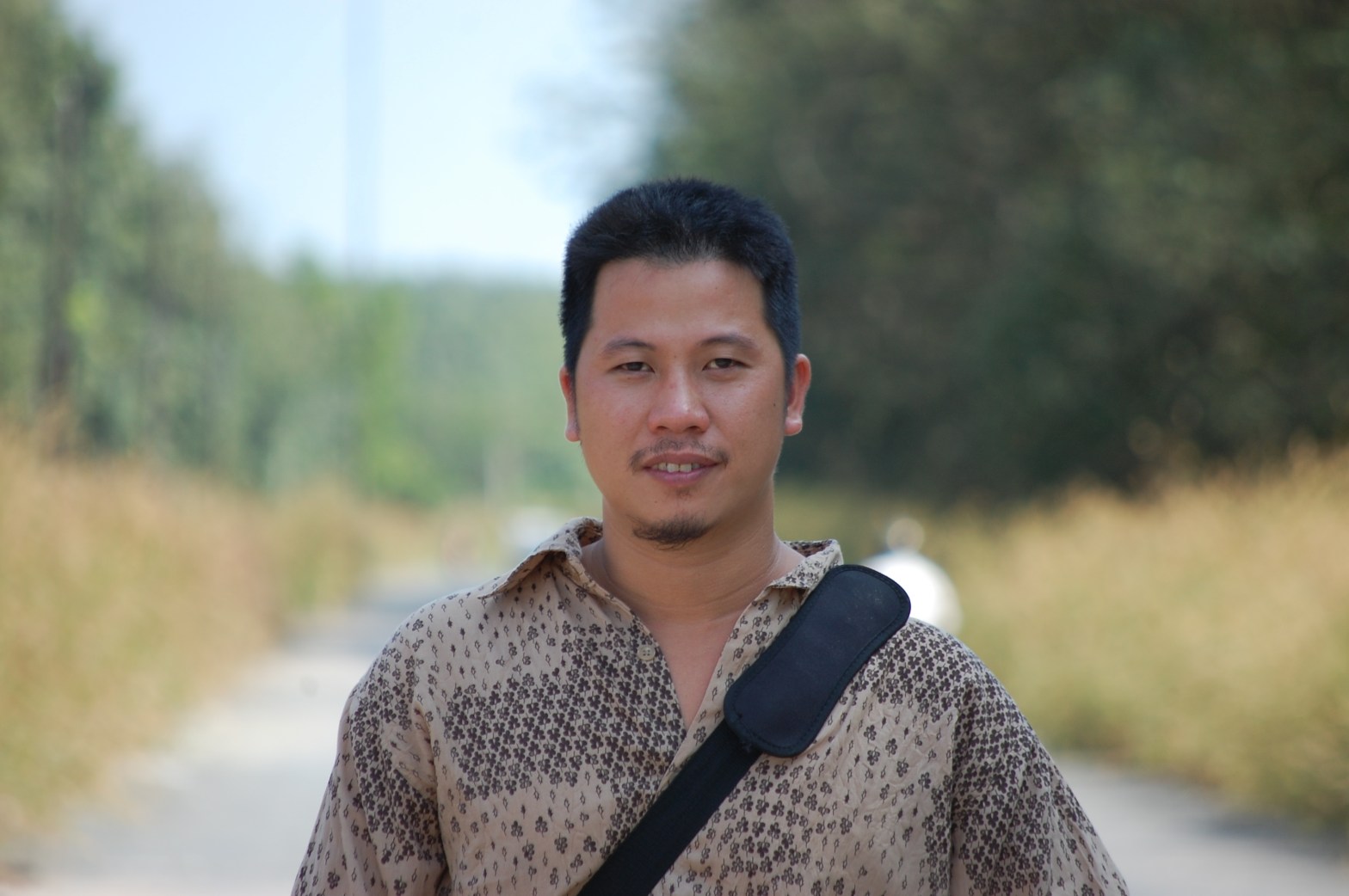


 Nguyễn Thị Phương Trâm