by the night you must compromise | Đinh Trường Chinh

Self-portrait by Đinh Trường Chinh

A poem in Vietnamese by Đinh Trường Chinh
Translator: Nguyễn Thị Phương Trâm
Art: Đinh Trường Chinh

we know each other so well so
light a match
tend to the wisp of smoke
embrace
hug tightly the Night.

by your dreams you must compromise
sleep is never enough for a dream
wake up
pour a glass of spirit
pour it into the night
pour it into
the bottom of your soul.

even by love you must compromise
East or West
separated by a split of a second
time is nothing but an idea
you could always
plant within your heart 
a fresh
flower.

and why the fuck would you need death
you’ve sat and drank with Death
even he must concede 
that
what he desires most is death
like today
the first day of spring
you sat beneath a canopy of sunlight
scattered across the streets
singing at the heart of the city.

so you should just live
lend your voice to a song
we’ve all heard about that painter
the guy who’s a millionaire at night
but by the morning a beggar in the street
you’re allowed to be as lonely as you like
you’re allowed to be just as sad as you are happy
or cry upon such grace
accept and welcome them
so you may discard them 
and to then desire them no more.

March 2022
—–

notes sáng

bạn hãy thỏa hiệp với đêm


chúng ta biết rành về nhau quá rồi còn gì
hãy thắp lên một que diêm
nhìn một ngọn khói
ôm chặt đêm 
vào lòng.

bạn hãy thỏa hiệp với giấc mơ
giấc ngủ có bao giờ dài đủ cho một cơn mơ đâu
cứ thức dậy
rót một ly rượu
rót vào đêm
rót xuống
đáy hồn mình.

bạn hãy thỏa hiệp với cả tình yêu
phía tây hay phía đông
chỉ cách nhau một sát na
thời gian chỉ là ý niệm
bạn luôn có thể
cắm lên trong lòng mình
một nhánh hoa
tươi mới .

và bạn cần đếch gì nữa cái chết
bạn đã từng ngồi uống rượu với thần chết cơ mà
chính gã đã tự thú nhận
cái thèm nhất của hắn
là được chết 
như hôm nay
bạn ngồi trong ngày đầu xuân 
dưới những chùm nắng này
rải lên mặt đường 
reo ca trong lòng phố.

thì bạn cứ sống
cứ hát ca
chúng ta đã nghe nói về
sự tích của một gã họa sĩ kia
triệu phú về đêm
nhưng sáng mai ra ngã thành người hành khất
bạn cứ cô đơn đi
bạn cứ buồn cứ vui cứ khóc
những ân sủng này
cứ nhận lấy
để khỏi phải thèm nó
một lúc nào khác .
– đtc
qsn, cà, phê sáng.3.2022.


Đinh Trường Chinh, the poet and artist, was born in 1970 in South Vietnam. The poet currently works in IT in Virginia, U. S. A.

Nguyễn Thị Phương Trâm, the blogger, poet, and translator, was born in 1971 in Phu Nhuan, Saigon, Vietnam. The pharmacist currently lives and works in Western Sydney, Australia.

how funny | Lê Vĩnh Tài

Water colour by Trần Băng Khuê

A poem in Vietnamese by Lê Vĩnh Tài
Translator: Nguyễn Thị Phương Trâm
Art: Trần Băng Khuê

how funny
as the poem opens a door to 
a whole new world
it would disappear like a puff of smoke
a cloud

is an invention a thing anymore
where sadness is everything
as we all know
it’s dense like a shadow

is it not a waste of time
when the poem flitters
from one flame to the next
igniting slowly in a glance

no one seems to have time for poetry

the poem, it had tried to avoid
the cynicism within cynicism
the poets’ habitual hype

the poem wanting
the vastness of the horizon
by your hand
unobscured 

it concurs with the poets 
full of themselves
aware of the emptiness 
in a pool without water

modern poetry
you see sometimes an apartment building
quietly blending 
into the horizon
so our minds may be displayed 
in sunlight
time enough to remind us of the tiny tiny 
original cave of humanity

beyond the system of caves 
we have turned into monuments
we can then 
continue to dream the dreams

the illusionary surpassing
the depiction of the ordinary 
questioning the significance of the rapid 
declination of the arts

we are left with nothing but the desire to lose ourselves
in the paralysing hopelessness of fame


April 2021

có gì buồn cười không
khi bài thơ mở cánh cửa
và mong đợi cả thế giới này
tan biến như một đám mây

có gì đáng để phát minh không 
mà ở đó nỗi buồn là tất cả
và ai cũng biết là
nó dày đặc như một cái bóng

có phải là vô ích không 
khi bài thơ chuyển động 
trong nhiều ngọn lửa
đang từ từ đốt lên trong ánh mắt

hầu như không còn ai có thời gian cho thơ

bài thơ, nó đã cố gắng tránh
sự phủ định của phủ định 
hay thói quen cường điệu
của các nhà thơ

sự ham muốn của bài thơ 
về sự mênh mông của bầu trời
không bị che khuất bởi bàn tay bạn

nó đồng cảm
khi các nhà thơ luôn ra vẻ mình thành công
nó biết, sự trống rỗng tích tụ trong bể bơi 
không có nước 

trong thơ ca hiện đại
nhiều khi bạn thấy một tòa nhà 
im lặng hòa nhập với chân trời 
để hiểu biết của mình phơi ra dưới ánh sáng
năm tháng chỉ để nhớ lại
cái hang ổ nhỏ nhất về nguồn gốc của loài người 

sau khi chúng ta đã chuyển đổi toàn bộ hệ thống hang động của chúng ta thành những tượng đài
chúng ta có thể tiếp tục có
bao nhiêu là giấc mơ 

sự viển vông đã vượt qua
sự tầm thường của những hình ảnh
câu hỏi về tầm quan trọng của sự suy tàn 
nhanh chóng của nghệ thuật 

chúng ta chỉ còn nhu cầu đánh mất chính mình
trong giai đoạn tê liệt của danh vọng vô vọng


Lê Vĩnh Tài, the poet and translator born in 1966 in Buon Ma Thuot, Daklak, Vietnam. The retired doctor is still a resident of the Western Highlands and a businessman in Buon Ma Thuot.

Nguyễn Thị Phương Trâm, the blogger, poet, and translator, was born in 1971 in Phu Nhuan, Saigon, Vietnam. The pharmacist currently lives and works in Western Sydney, Australia.

one lonely hand | Lê Vĩnh Tài

Sketch of Lê Vĩnh Tài by Nguyễn Thị Phương Trâm

A poem in Vietnamese by Lê Vĩnh Tài
Translator: Nguyễn Thị Phương Trâm
Art: Nguyễn Thị Phương Trâm

a lonely hand
reached out 
& pulled me back
into my shadow

one hand, you’re the only one
I could…
thank you

now the blood I bleed
is black


August 2019

một bàn tay cô độc 
vươn ra 
kéo tôi trở lại 
bóng tối của mình

bàn tay, bạn là người duy nhất
tôi có thể…
cám ơn bạn

tôi
bây giờ chảy máu màu đen


Lê Vĩnh Tài, the poet and translator born in 1966 in Buon Ma Thuot, Daklak, Vietnam. The retired doctor is still a resident of the Western Highlands and a businessman in Buon Ma Thuot.

Nguyễn Thị Phương Trâm, the blogger, poet, and translator, was born in 1971 in Phu Nhuan, Saigon, Vietnam. The pharmacist currently lives and works in Western Sydney, Australia.

Spring rain – Mưa Xuân (I) | Nguyễn Bính

A poem in Vietnamese by Nguyễn Bính
Translator: Nguyễn Thị Phương Trâm
Photography: Nguyễn Thị Phương Trâm

I’m the girl by the loom, next to my ageing mother
Weaving silk from one day to another
My homely novice heart in white silk, while mother’s far away,
A merchant at the market in the middle of the day.

Spring was drifting in the wind that day,
Flew in layers of neem blossoms, the display.
The Dang village dance coupe passed by,
Mother said: there’ll be a show in Đoài village tonight.

In my heart was the silky thread of a crush.
My tiny fingers paused midweave.
Cheeks pink, blushing,
Me thinking of you.

All around the neighbourhood the lights were on,
I reached out from beneath the veranda
My hand grew colder in each raindrop,
Thought maybe you might drop in.

I quickly asked mother,
Mother: go, tell me everything after.
I was not at all wet in the light rain
Đoài village was only a dike away.

In Đoài village the singing went on into the night,
I heard not a word, looking for you.
The streets will definitely be cold tonight,
Fingers numb through the sleeplessness.

Waiting forever for you to turn up,
What was the reason for all the singing in the village.
You being so adamant on us meeting,
An entire spring in humiliation.

Alone, I was lost on the way home,
Who said the dike was a short walk!
The flimsy clothes to protect me under the heavy rain,
Cold, feeling sorry for myself late into the night.

I was upset with you till morning,
Mother asked me about the songs they sang.
“ Mother they sang…” Then there it was
The hot tears, and I turned away.
*
The still spring rain was unmoving that day,
Beneath the soles of my shoes were battered neem blossoms.
The Dang village dance coupe passed by,
Mother said dried up are the spring days.

Dearest! Dried up are the spring days!
When will I see you again?
When will the Dang village dance coupe again pass by,
So mother can tell me there’ll be a show tonight?
_____
JANUARY 2022

Em là con gái trong khung cửi
Dệt lụa quanh năm với mẹ già
Lòng trẻ còn như cây lụa trắng
Mẹ già chưa bán chợ làng xa.

Bữa ấy mưa xuân phơi phới bay
Hoa xoan lớp lớp rụng vơi đầy
Hội chèo làng Đặng đi ngang ngõ
Mẹ bảo: “Thôn Đoài hát tối nay”.

Lòng thấy giăng tơ một mối tình
Em ngừng thoi lại giữa tay xinh
Hình như hai má em bừng đỏ
Có lẽ là em nghĩ đến anh.

Bốn bên hàng xóm đã lên đèn
Em ngửa bàn tay trước mái hiên
Mưa chấm bàn tay từng chấm lạnh
Thế nào anh ấy chả sang xem!

Em xin phép mẹ, vội vàng đi
Mẹ bảo xem về kể mẹ nghe.
Mưa bụi nên em không ướt áo
Thôn Đoài cách có một thôi đê.

Thôn Đoài vào đám hát thâu đêm
Em mải tìm anh chả thiết xem
Chắc hẳn đêm nay dường cửi lạnh
Thoi ngà nằm nhớ ngón tay em.

Chờ mãi anh sang, anh chẳng sang
Thế mà hôm nọ hát bên làng
Năm tao bảy tuyết anh hò hẹn
Để cả mùa xuân cũng nhỡ nhàng!

Mình em lầm lũi trên đường về
Có ngắn gì đâu một dải đê!
Áo mỏng che đầu, mưa nặng hạt
Lạnh lùng thêm tủi với canh khuya

Em giận hờn anh cho đến sáng
Hôm sau mẹ hỏi hát trò gì
Thưa u, họ hát… rồi em thấy
Nước mắt trào ra, em ngoảnh đi.

Bữa ấy mưa xuân đã ngại bay
Hoa xoan đã nát dưới chân giày
Hội chèo làng Đặng về ngang ngõ
Mẹ bảo: “Mùa xuân đã cạn ngày”.

Anh ạ! Mùa xuân đã cạn ngày
Bao giờ em mới gặp anh đây?
Bao giờ hội Đặng đi ngang ngõ
Để mẹ em rằng: hát tối nay?

1936


Nguyễn Bính (1918-1966) the poet born Nguyễn Trọng Bính, in Thien Vinh village, Vu Bang District, Nam Dinh province, Vietnam. He lost his mother at a young age, learned to read and write at home, and started to write poetry from the age of 13, won the Poetry Consolation Prize from Tự lực văn group in 1937 with the collection of poems called My heart and soul. A committed supporter of the August Revolution, he moved to the resistance base in Đồng Tháp Mười leading a literature and art unit. Later he was editor of the semi-independent poetry magazine Trăm Hoa, Hundred Flowers.

source: wikipedia, thivien 

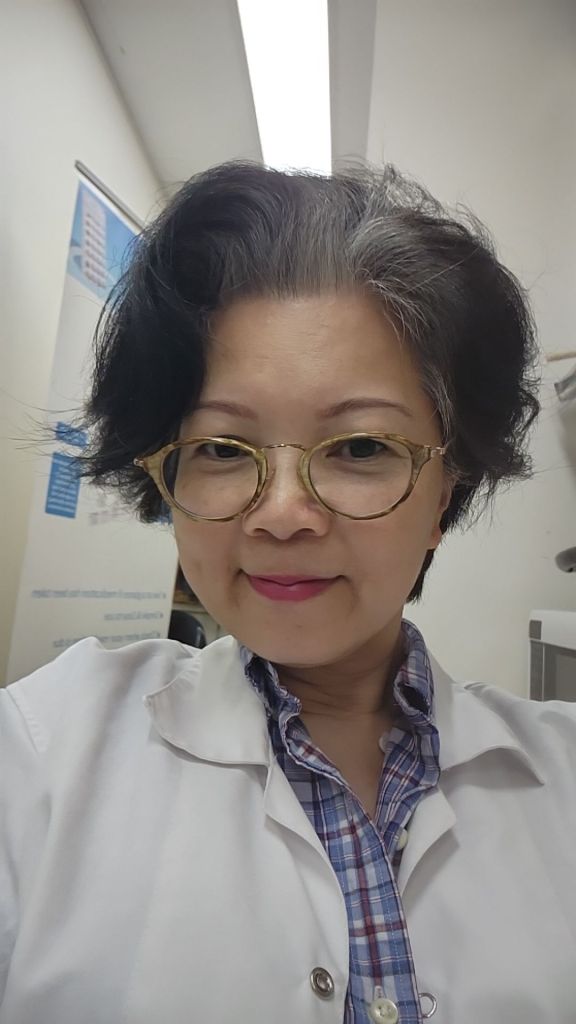
Nguyễn Thị Phương Trâm, the blogger, poet, and translator, was born in 1971 in Phu Nhuan, Saigon, Vietnam. The pharmacist currently lives and works in Western Sydney, Australia.
cooler is the air further up | Đinh Thị Như Thuý

A poem in Vietnamese by Đinh Thị Như Thúy
Translator: Nguyễn Thị Phương Trâm


cooler is the air further up
beneath the sacred fig
mysterious are the heart shaped banana leaves
watchful were the half-opened eyes from above
kind smiles

knowing and not knowing
there and not there at all
hurting and not at all hurting

falling from high heaven
swarms of fresh flowers waiting
for waiting arms

January 2024


càng lên cao không gian càng mở ra mát rượi
dưới gốc bồ đề
lá chuốt hình tim huyền bí
những đôi mắt khép hờ nhìn xuống
những đôi môi mỉm nhẹ nụ cười

biết mà không biết
có mà không có
đau mà không đau

rơi xuống tự trời sâu
một bầy hoa xanh đang chờ tay người cắm


Đinh Thị Như Thúy


Đinh Thị Như Thuý, born 16-9-1965 in Hue,Vietnam. The Vietnamese poet attended high school in Danang, and university in Dalat, then was a literature teacher in Krong Pac district, Dak Lak province. Currently, she works at the Union of Literature and Arts of Da Nang City. She also used the pseudonyms Như Thuý, Như Dã Quỳ.

Nguyễn Thị Phương Trâm, the blogger, poet, and translator, was born in 1971 in Phu Nhuan, Saigon, Vietnam. The pharmacist currently lives and works in Western Sydney, Australia.

THE OLD COMPUTER | Lê Vĩnh Tài

A short story in Vietnamese by Lê Vĩnh Tài
Translator: Nguyễn Thị Phương Trâm
Photography: Nguyễn Thị Phương Trâm

CÁI MÁY TÍNH CŨ

bạn ngồi trước màn hình và gửi thông báo để hủy thông báo vì đã thông báo, bạn phải tiêu hủy 29 bức tranh. Bạn thấy không có ai bấm like vào thông báo của bạn. Nàng thì thầm: không có ai cả? Bạn hỏi nàng không-có-ai-cả là ai vậy? Bạn sẽ xử lý không có ai hay không có nó.

nàng nhìn bạn mỉm cười, nàng luôn luôn đức hạnh. Nàng học rất nhanh các trò khôn khéo giang hồ nhưng ba phải. Nàng nói đó là chính trị.

không-có-ai-cả vì phây của bạn không có một một dấu vết.

Bạn nghĩ hàng ngàn người bấm theo dõi bạn. Họ làm thơ, triết lý, mất ngủ, kiếm tiền… hàng ngày trên phây mà bây giờ nàng lại nói là không-có-ai-cả. Thông báo hủy thông báo đã thông báo của bạn là trạng thái vô danh hoàn toàn.

bạn luôn có cách tạo ra tình trạng trống trải tuyệt đối, khoảng không mà các bức họa không bao giờ thể hiện được, cái ý niệm mà người ta chỉ hiểu khi chỉ treo cái khung tranh.

tuy vậy khi đứng trước những bức tranh đang treo trên tường, và giờ nằm trong kho tang vật, thì bức tranh vẽ cái máy tính cũ vẫn làm nàng thích nhất. Có lẽ nó là bức tranh duy nhất không theo trường phái trừu tượng. Có lần bạn nói với nàng trừu tượng bao gồm rất nhiều sự tưởng tượng, cho nên khi đã “quá sức trừu tượng” chính là quá quá nhiều sự tưởng tượng, em đừng cố hình dung vì nó chả còn có cái gì cả. Nàng cười, anh nói ác vừa thôi, em thích vì nó vẽ một cái máy tính cũ, rẻ tiền như giá phòng nghỉ trưa gần nhà mình.

trong phòng nghỉ dĩ nhiên có một chiếc giường.

Bạn suy nghĩ liên văn bản về chiếc giường và cái máy tính. Mùi khét của cả hai luôn làm bạn thấy giống nhau. Cả cái tủ quần áo trong phòng của nhà nghỉ cũng có mùi đó. Mỗi lần lấy phòng, bạn luôn móc tấm biển “do not disturb” lên núm vặn cửa. Bạn không hiểu xứ khỉ ho cò gáy này người ta lại xài tiếng anh làm gì? Hay “không hiểu gì cả” chính là “một lý do triết học” mà bạn đã học từ thời còn học trong trường đại học.

cái tủ quần áo, cái giường, cái máy tính… Bạn đang nghĩ cuối cùng chúng liên quan gì đến cái thông báo hủy bỏ thông báo đã thông báo của bạn? Nàng nói: anh đừng làm phiền.

bạn không làm phiền nàng, bạn quay ra ngủ. Giấc ngủ, hóa ra nó liên văn bản với cái giường, vậy thì cái máy tính sẽ là ẩn dụ trừu tượng của sự thức giấc. Ai rồi cũng phải tỉnh giấc mới ngồi trước màn hình được chứ? Vậy thì khi vẽ giấc ngủ, người ta có thể vẽ cái máy tính làm đối trọng cũng là bình thường. Bạn thấy buồn cười khi mình đã không nghĩ ra sớm nên đã ký những thông báo buồn ngủ như vậy. Nàng nói với bạn: với anh thì em ngủ chứ với bọn bạn anh thì em phải thức cả đêm. Họ khỏe lắm.

bạn nói với nàng: khi thức thì người ta vẽ à? Nàng cười: không có ai thức vẽ với em cả đêm đâu chàng.

bạn thì thầm: không-có-ai-cả, chỉ có các anh.

bức tranh vẽ cái máy tính cũ cũng thì thầm như vậy. Nó liên văn bản với một cái giường bừa bộn và bức phông màn phía sau của nó mang ý nghĩa về sự vô tận. Ở các triển lãm về tĩnh vật, các bức tranh vẽ các tấm phông màn, tấm vải trải giường và tấm vải trải bàn ăn luôn được nhiều nhà sưu tập tranh nhau mua. Vì rất mềm mại và sống động, nàng nói. Các anh thường rất thích sự mềm mại này và ngả người lên. Thân xác của các anh chính lại là các tác phẩm sắp đặt đang nằm trên chúng. Chúng đón nhận thân xác của các anh, và chỉ cần các dấu vết này lưu lại trên tấm vải trải giường thì lập tức, các nhà mỹ học tỉnh lẻ sẽ dùng các app trên máy tính vẽ thêm nhiều kiệt tác.

nên thi thoảng chàng cũng cần ngủ, khi chàng trống vắng em sẽ có thêm thời gian để còn làm trình diễn và sắp đặt. Bạn biết sự sắp đặt của cơ thể nàng. cũng chỉ thiếu mỗi một sự trống vắng như cái tủ trong phòng.

còn tôi?

tôi thiếu nhiều thứ. Tôi từng nằm trên cái giường này, từng thức dậy, từng mở mắt trừng trừng nhìn vào trên màn hình đang mở và không-có-ai-cả của mình, và tưởng tượng nàng đang làm sắp đặt.

—–

You sit in front of the computer to send a notification to delete a notification that was notified, you had to destroy 29 paintings. You saw that no one has clicked like after your notification. She mumbled: no one at all? You ask her who is no-one-at-all? Will you conclude that there’s no one or it’s not there at all? 

She looks at you smiling, she is as always virtuous. She’s a fast learner when it comes to the rules of the jungle and how it’s always right. She said it’s politics.

No-one-at-all because there’s not a sign of you on Facebook.

You think a thousand people click to follow you. They compose poetry, philosophy, lose sleep, work their butt off… day in and day out on Facebook and now she claims there’s no-one-at-all. The notification to delete the notification that was notified is a state of complete anonymity. 

You have a way of creating absolute space, the air that no artist could ever portray in paint or watercolour, the thoughts that could only be understood if nothing but an empty frame is hung up for display.

Then again as we stand in front of these paintings on the wall, now archived by an exhibition hall, the painting of the old computer is still her favourite. It might actually be the only painting that is not abstract. You told her once that abstracts overwhelm the imagination, hence when it’s “too abstract” it equates to too much imagination, baby, don’t bother since the result is nothing at all. She laughed, you shouldn’t be so mean, she likes it because it’s a painting of an old computer, cheap like the price of a room at a hotel near our house. 

There is of course a bed in the room.

You ponder the intertextual connection between the bed and the computer. The burning smell reminds you of both of them. Even the wardrobe in the hotel has the same smell. Each time you checked into a room, you would automatically hang the “do not disturb” sign on the doorknob outside your room. You can’t work out why in such an out-of-the-way place to use a sign in English rather than Vietnamese, who uses English in this town? Or “can’t understand anything” equates to “a philosophical reasoning” that you did read during your years at university.

The wardrobe, the bed, the old computer… What does any of it have to do with the notification of the notification of the deletion of what was notified? She said: babe, I’m not in the mood.

You do not bother her, you turn away from her and go to sleep. Sleep, as it turns out is intertextually connected to the bed, hence the computer will be the abstract metaphor for being awake. No matter who you are, you have to be awake in front of the computer right? Hence, if you were to paint what sleep looks like, people would commonly paint a computer as a feature. You thought how funny, you can’t believe how long it took you to work that out and how you have hastily signed off on all those sleepy notifications. She said to you: babe, I can sleep with you, but, when it comes to your friends, I have to stay up all night. They are men amongst men.

You asked her: what do they do all night, paint? She laughed: no one stays awake all night just to paint or draw with me dearest. 

You mumbled: no-one-at-all, just you guys. 

The portrait of the old computer mumbling the same thing. It’s intertextually connected to the unmade bed and the curtain in the background represents the infinite. At still life auctions and exhibitions, the portraits with these curtains, the bed linen, and tablecloths are always on the top of the list of art collectors. Because of their soft and lively portrayal, she said. Softness is something you gentlemen covet, and love to fall upon. Gentlemen, your bodies are the actual pieces of complete works arranged on them. They welcome your body, and any evidence left behind on the bed linen then immediately, all the obscured aesthetician would use their app to create many masterpieces.

So now and then you need to sleep dearest, when you give me space I have more time to organise and perform, she said. You understand how she organises her body. Also missing is the space for a wardrobe in her room.

What about me?

I’m missing so much. I have slept on that bed, woke up, opened my eyes, and stared at an on screen of a computer and my no-one-at-all, and imagined her in the middle of her organising.

February 2024


Lê Vĩnh Tài, the poet and translator born in 1966 in Buon Ma Thuot, Daklak, Vietnam. The retired doctor is still a resident of the Western Highlands and a businessman in Buon Ma Thuot.

Nguyễn Thị Phương Trâm, the blogger, poet, and translator, was born in 1971 in Phu Nhuan, Saigon, Vietnam. The pharmacist currently lives and works in Western Sydney, Australia.

a broken piece of me | Lê Vĩnh Tài

A poem in Vietnamese by Lê Vĩnh Tài
Translator: Nguyễn Thị Phương Trâm

Ceramic Sculpture “Banquet” by Nguyễn Duy Mạnh

a broken piece of me
left behind
on the floor

you’re not surprised
when I do lose my temper
and I break

just like that
all that I am
as a whole

you know something is wrong with me
I’m silent, I’m broken, I’m alone

since I am nobody
I am a ghost, hiding

tears
sinking in time for those
who are in love, crying alone

love is the melody of a song
but one person is always singing off key
the wrong lyric

disease has not a chance
we live until the day we die
of old age

time sinking
as people grasp
the martial truth

the lies
are the melodies of a song
with the wrong lyric

no matter how much it pains you this life
will always be right
—-
December 2023
___

một mảnh vỡ của cơ thể tôi
còn sót lại
nằm trên sàn nhà

bạn không ngạc nhiên
nếu tôi điên và cũng vỡ

như vậy tôi
bao gồm cơ thể của tôi
nguyên vẹn

bạn biết có lúc tôi cũng bị hỏng
tôi im lặng, vỡ, một mình

vì tôi vô danh
tôi, bóng ma đang đi trốn

nước mắt
theo thời gian lắng xuống
những người đang yêu đều biết những
đêm, một mình họ khóc

tình yêu là giai điệu của bài hát
nhưng một người cứ hát
sai lời

chúng ta sống cho đến khi chúng ta
chết già
không kịp bệnh

thời gian lắng xuống
lúc mọi người đều biết
sự thật võ mật

những lời nói dối của họ
là giai điệu của một bài hát
sai lời

dù bạn có đau khổ nhưng cuộc đời
luôn luôn đúng


Lê Vĩnh Tài, the poet and translator born in 1966 in Buon Ma Thuot, Daklak, Vietnam. The retired doctor is still a resident of the Western Highlands and a businessman in Buon Ma Thuot.

Nguyễn Thị Phương Trâm, the blogger, poet, and translator, was born in 1971 in Phu Nhuan, Saigon, Vietnam. The pharmacist currently lives and works in Western Sydney, Australia.

HOÀNG XUÂN SƠN

Hoàng Xuân Sơn

In Vietnamese by Hoàng Xuân Sơn
Translator: Nguyễn Thị Phương Trâm


Hoàng Xuân Sơn 

A renowned poet, born 1942, writes under various pseudonyms: Hoàng Xuân Sơn, Sử Mặc, Hoàng Hà Tỉnh, Vô Ðịnh… 

Hometown: Vỹ Dạ, Huế.

Lý Thường Kiệt Primary  

Bán Công High School and Quốc Học Huế High School

Bachelor of philosophy, and postgraduate of political science and commerce at The university of Văn Khoa Sài Gòn. 

Worked at the Ministry of Transport and Communication, a branch of the General Department of Postal Service of the Republic of Vietnam.

After 1975 worked in the Postal Office for 7 years. December 1981 settled in Montreal, Canada.

The poet’s career span from 1970 to the present day his work has been published in many literary publications. In vietnam: Văn, Chính Văn, Diễn  Ðàn, Khởi Hành, Nghiên Cứu Văn Học, Ðối Diện, Thân Hữu, Xây Dựng Nông Thôn, Ngưỡng Cửa, Nhà Văn. Outside of Vietnam: Làng Văn, Văn Học, Văn, Thế Kỷ 21, Chủ Ðề,  Sóng, Sóng Văn, Nắng Mới, Saigon Times, Hợp Lưu, Phố Văn,  Gío Văn , Canh Tân, Ði Tới, tạp chí Thơ. 

Collaborating platforms: Litviet (U.S.A), Tienve (Australia), Vanchuongviet… and the translations of his poetry into English by Nguyễn Thị Phương Trâm on SONGNGUTAITRAM.

Published work:

Viễn Phố (thơ, Việt Chiến xb 1988)

Huế Buồn Chi (thơ,93)

Lục Bát (thơ, 2005)

Nguyễn Thị Phương Trâm, the blogger, poet, and translator, was born in 1971 in Phu Nhuan, Saigon, Vietnam. The pharmacist currently lives and works in Western Sydney, Australia.