
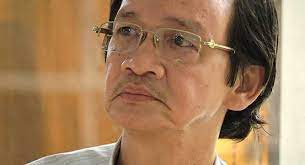
Nguyễn Xuân Thiêm là ba của tôi, ông viết song ngữ anh và việt. Sau bao nhiêu năm không nói, không viết. Vì một đứa con cứng đầu như tôi, ông đã viết lại.
Tôi mong rằng ông sẽ viết thêm và viết nữa. Viết cho con cháu của chúng tôi.
Văn Học Ngoại Biên — Literature Beyond
Nguyễn Xuân Thiêm là ba của tôi, ông viết song ngữ anh và việt. Sau bao nhiêu năm không nói, không viết. Vì một đứa con cứng đầu như tôi, ông đã viết lại.
Tôi mong rằng ông sẽ viết thêm và viết nữa. Viết cho con cháu của chúng tôi.
in Vietnamese by Ngô Đình Hải
Translator: Nguyễn Thị Phương Trâm
Ngô Đình Hải, a writer from Hai Phong, who currently lives in Saigon, Vietnam
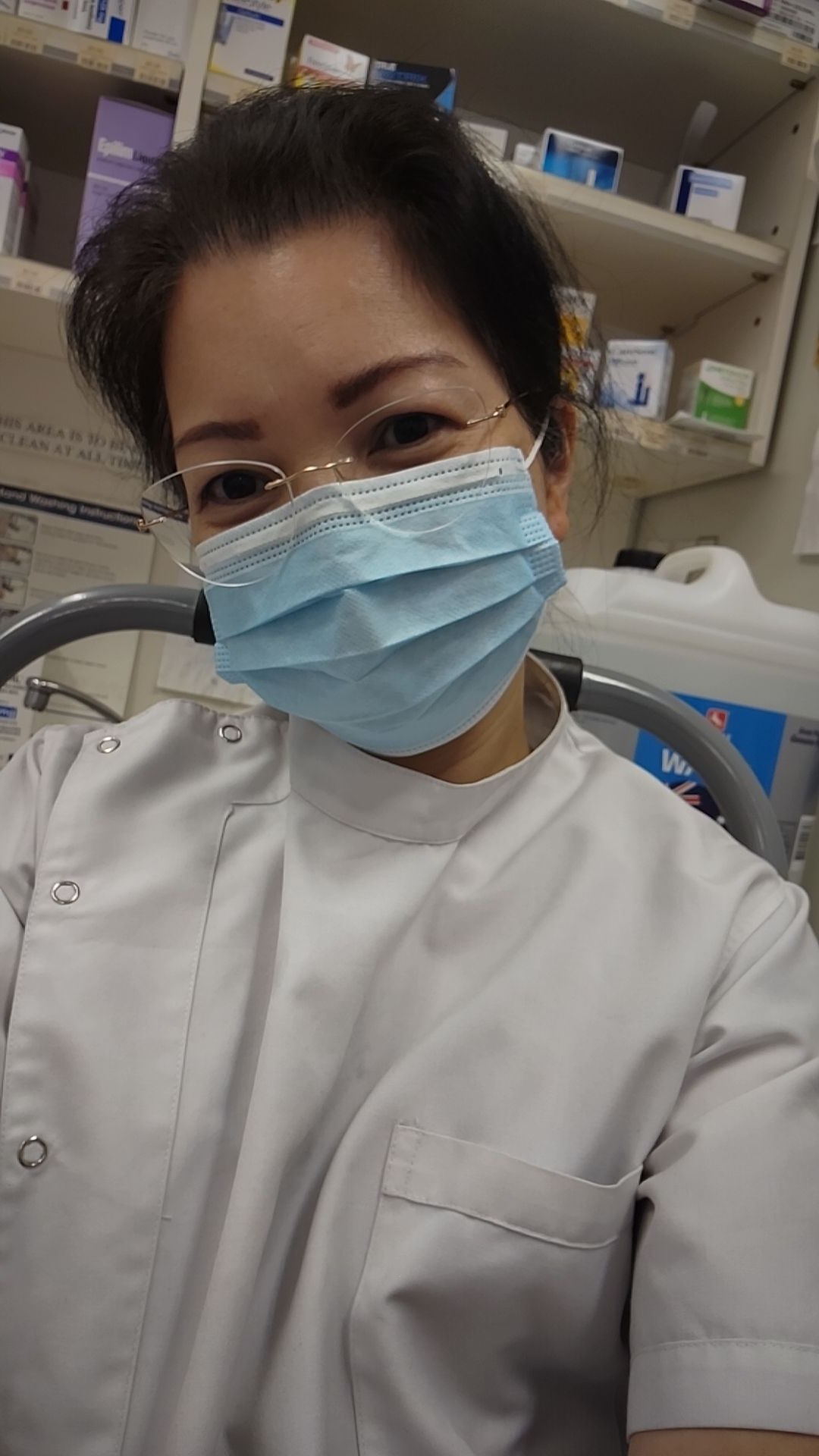
Nguyễn Thị Phương Trâm, the blogger, poet, and translator, was born in 1971 in Phú Nhuận, Sài Gòn, Việt Nam. The pharmacist currently lives and works in Western Sydney, Australia.
In Vietnamese by Bùi Giáng
Translator: Nguyễn Thị Phương Trâm
Bùi Giáng (1926-1998) was born in Thanh Châu, Duy Xuyên, the province of Quảng Nam, Vietnam. He passed away at Chợ Rẫy Hospital in Saigon, Vietnam. Self-taught at a late age in life. The prolific poet and translator were fluent in French, English, and Kanji. With many published translations like Hamlet by Shakespeare, The Little Prince by Saint Exupéry, Campus…
Nguyễn Thị Phương Trâm, the blogger, poet, and translator, was born in 1971 in Phu Nhuan, Saigon, Vietnam. The pharmacist currently lives and works in Western Sydney, Australia.
A poem in Vietnamese by Lê Vĩnh Tài
Translator: Nguyễn Thị Phương Trâm
Photography: Nguyễn Thị Phương Trâm
death isn’t
a furrow in a field
it’s a small tiny
tiny sail
drifting past the moon
as it grazes the moon
something will sink
like a small cloud
like her also so tiny
and small
death is back so soon
without a single waiting
soul
it seems to
set itself down
right next to us
as he rams into the house
through the front gate
one sunny afternoon…
—
December 2023
–
the poem believes it will meet an angel
the poem was pushed into the middle of the road
driving a bus
the last drop was hell
the poem believes that death is a part of life
except it lies in a box
unsure whether it’s happy or sad
the poem knows how to cry
not out of resentment
only that death likes to turn up on a bus
it’s home out of sight
hidden behind the sun
it’s a dark shadow over the poem
the way the poem could still discern the taste of death
in the garden each morning
gosh, the lovely scent of dawn…
a corner of the garden full of light
the poem is the reason for the chaos in the vernacular
until the verse could discern the entirety of its meaning
As though the poem is trying to find the meaning of death?
the poem see the trees in the lake
we have never swam in it
we have never stood there and watched ourselves die
We have no idea what death is.
the poem understand
only because the poem has seen it
smelt it
it shifts slowly in our hair
on the frozen face of the poem
it comes flying, and the poem knows not from where
but the poem knows that
it is its strength…
see there
how the light still wraps itself around the tree on the lake
drawn in coloured chalk
on paper
and because of that, the poem will never die
the way our laughter will never die
to then cry
and be silence
for no reason
at all…
even within the silence
there still is the sound of bird songs and falling stars
something flying in the air
light and dark
the poem could just see it
on the stage where there are these trees in a lake
it slices the poem’s vision into halves
the poem almost misses it
in the middle of writing a verse about death…
we often miss our chance to die
because of love
even though none of us lack
the ability to love
love is all around us…
the poem reminds us that
love-is-an-angel
leading us into darkness
so, slow down
take your time
with each poem…
—
After Boxing Day, 2023
cái chết
không phải là con mương ngoài cánh đồng
nó như một cánh buồm nhỏ
nhỏ nhỏ nhỏ
trôi ngang mặt trăng
khi nó chạm vào mặt trăng
có một hình ảnh sẽ chìm
như đám mây nhỏ
và nàng cũng nhỏ
xíu xiu
cái chết
quay lại quá sớm
khi không ai chờ đợi
nó dường như
trượt xuống bên cạnh mỗi chúng ta
khi anh ấy húc tăng vào nhà
qua cánh cổng
sau buổi trưa đầy nắng…
thơ nghĩ mình sẽ gặp thiên thần
thơ suýt nữa bị đẩy ra đường
lái một chuyến xe buýt
ga cuối là địa ngục
thơ biết cái chết vẫn là cuộc sống
chỉ có điều nó nằm trong một cái hộp
chưa biết vui hơn hay sẽ buồn hơn?
thơ đã khóc
không phải thơ dỗi hờn
mà là khi cái chết đến trên chuyến xe buýt
thơ không nhìn thấy ngôi nhà của thơ
khuất phía sau mặt trời
nó phủ bóng đen lên thơ
như thơ vẫn ngửi thấy mùi tử vong
trong khu vườn mỗi sáng
trời ơi buổi sớm quá chừng thơm…
một góc của khu vườn ánh sáng
thơ vẫn hay làm rối loạn các ngôn từ
cho đến khi thơ hiểu hết ý nghĩa của nó
như thơ đang tìm hiểu ý nghĩa cái chết?
thơ nhìn thấy những thân cây trên mặt hồ
chúng ta chưa từng bơi trong đó
chúng ta chưa từng đứng xem mình chết
chúng ta chưa hiểu cái chết là gì?
thơ biết
vì thơ nhìn thấy cái chết
thơ ngửi mùi cái chết
nó di chuyển trên tóc
trên khuôn mặt lạnh buốt của thơ
thơ không biết nó thổi từ đâu
nhưng thơ biết hình như là sức mạnh
của thơ…
ô nhìn kia
ánh sáng vẫn đang ôm những thân cây trên mặt hồ
được vẽ bằng phấn màu
trên trang giấy
và như vậy thơ không bao giờ chết
như tất cả chúng ta đang cười
rồi khóc
và lặng im
vô cớ…
ngay cả sự im lặng đó
vẫn có
tiếng chim hoặc tiếng rơi của thiên thạch
một cái gì bay vút trong không gian
có bóng tối và ánh sáng
thơ kịp nhìn thấy
trên sân khấu có các thân cây vẫn đứng trên mặt hồ
nó cắt đứt hai mắt của thơ
làm thơ suýt nữa không còn nhìn thấy
để làm bài thơ về cái chết…
ngay cả chúng ta cũng suýt không còn được chết
vì tình yêu
mà tình yệu
thì chúng ta đâu bao giờ thiếu…
thơ nhắc chúng ta
tình-yêu-là-thiên-thần
dẫn chúng ta vào bóng tối
từ từ đừng vội
với thơ…
Lê Vĩnh Tài, the poet and translator born in 1966 in Buon Ma Thuot, Daklak, Vietnam. The retired doctor is still a resident of the Western Highlands and a businessman in Buon Ma Thuot.
Nguyễn Thị Phương Trâm, the blogger, poet, and translator, was born in 1971 in Phu Nhuan, Saigon, Vietnam. The pharmacist currently lives and works in Western Sydney, Australia.
A short thriller in Vietnamese by Lê Vĩnh Tài
Translator: Nguyễn Thị Phương Trâm
Art: Đinh Trường Chinh
“Short stories are tiny windows with vast, wonderful views. This short story offers an emotional and suspenseful view of an estate and two people in isolation. The reader is immediately drawn into the mysterious setting. Who are these two characters and what are their motives? A simple narrative with intriguing dialogue. The ending is definitely unexpected.” Terveen Gill
I was at her doorstep on a Sunday morning, an estate at the end of a fading colourless dirt road leading into town. Completely dissipated was the mist, leaving the enormous courtyard frozen in an eerie icy chill.
She sat hugging her head. Lifted her head only to greet me as I entered.
“We are more than happy to have you join us in isolation,” she addressed me in her usual fractious manner.
She pulled out a piece of pork belly from the cooler. The piece she has left to rest in the cooler for the last ten hours as instructed. She can no longer recall the owner of the recipe for the marinade. It was written on a scrap piece of paper, the words now smudged and illegible.
“What do you think?” she asked.
“Looks good,” I replied, even though the piece of meat looked like human flesh, all wrinkly.
“It doesn’t smell great, right?”
“It looks fine,” I reassured her.
She grabbed a kitchen knife, and began to slice the meat.
The knife was so blunt it was impossible to make the smallest cut, “shit”, she snapped, “I can’t cut anything with this.”
I rarely hear her swear. I can but recall her mainly singing từ công phụng, with a smile on her face as she tidied up around the house.
I asked her since I had wondered myself, how many Sundays has it been since the day she had started this meat cutting ritual? How long will she keep this up? How many Sundays have gone by, how many pieces of pork belly? Her children are now all grown up, and her husband’s ashes have been scattered on the estate around the lake.
She said: “Look, I can cut into it now, except the slices are not as fine as I’d normally like them.”
Since her husband’s death, she would regularly make the rounds to shut down the estate herself, collecting the donated cans of cold meats and vegetables by the gate. She said: “This is how I survive.”
She continued with another question: “We didn’t accidentally use the meat in the freezer, did we?”
“No”, knowing exactly what she was referring to as I replied, “someone is trying to harm us you think.”
She got up from her chair, retrieved a cigarette from the carton on the kitchen table, “Are you thinking of taking over the estate?” She asked.
I frowned: “What?”
“This place is like your second home,” she said. “Don’t worry, it’s just a silly thought in my head. I’ve not slept for a week.”
After she was done with the grilled meat, she also wanted a few slices of cucumber.
“I’m craving bì today.” She is probably thinking of cơm tấm bì sườn(steamed broken rice served with shredded pork skin in roasted ground rice, grilled pork chop, and a slice of pork mince frittata).
I nodded: “I prefer chicken.”
She snapped, “You can still eat chicken if that’s what you want but all I can think about now is the pork mince frittata.”
That was when she sliced her wrist, the knife slipped off the pork belly cutting into her soft wrist as smoothly as it would her pork mince frittata.
The knife ended up on the kitchen tile.
“What happened?” I asked.
The blood spurted from her wrist as though it was coming out of a hose. She looked down, and stared at her numb wrist.
“I think I’ve cut my wrist,” she said quietly.
“It’s okay”, I reassured her, “Let me help you.”
She shook her head. “You just need to find me a bandage.”
Quickly, I left the kitchen to look for a bandage. Her house was scattered with carton boxes full of what only heaven knows. But in her bedroom was an object that really caught my eye. It lay across her bed. A rifle nearly as long as the mattress.
Perhaps it’s her husband. It was well known that he was a hunter. There was a single flashing of a bullet shell in the room. Why did she take the gun out of its box and leave it on her bed? By the time I returned to the kitchen, her wrist had stopped bleeding, no longer needing bandaging. I watched her as she continued to slice the pork belly. Not knowing how much pain she had endured. All these years by her side, I have never truly got to a point where I could fully grasp the extent of her pain. She dropped to the ground onto her knees, still holding onto the knife.
“Come”, she beckoned.
She hugged me as tightly as she thought it was possible.
Within the estate in isolation, there were only two people, but there were three urns of ashes, because after some time, they found the third urn that used to contain her husband’s ashes…
[August 2021]
Vào sáng Chủ nhật, tôi đến chỗ của nàng trong một trang trại đất bạc màu ở cuối con đường đi vào phố huyện. Sương đã tan hết, cả một khoảng sân lớn đang rùng mình.
Nàng đang ngồi với hai tay ôm đầu. Nàng ngước lên khi tôi bước vào.
“Rất vui khi bạn đến tham gia khu cách ly cùng chúng tôi,” nàng nói với vẻ mặt cau có như thường lệ.
Nàng lấy một miếng thịt heo từ ngăn đá. Nàng đã ướp lạnh nó mười giờ theo một công thức để chế biến. Nàng không nhớ người đã nghĩ ra công thức ướp. Nó được viết tay trên mẩu giấy cũ đã bị nhòe và bây giờ khó ai có thể đọc được.
“Bạn thấy nó thế nào?” nàng hỏi.
“Tốt thôi,” tôi nói, mặc dù miếng thịt lúc này giống như một miếng da người, nhăn nheo.
“Nó không thơm, phải không?”
“Không sao đâu,” tôi nói.
Nàng lấy ra một con dao, bắt đầu cắt thịt.
Con dao cùn đến mức nàng không cắt được, “chó thật”, nàng nói, “em hết muốn cắt cái gì nữa.”
Nàng ít khi chửi rủa điều gì. Tôi vẫn nhớ những lần nàng đi quanh phòng với một động tác nào đó, hát từ công phụng và sau đó mỉm cười.
Tôi tự hỏi nàng đã thực hiện nghi lễ cắt thịt này trong bao nhiêu ngày Chủ nhật? Nó sẽ được kéo dài cho đến khi nào. Trong bao nhiêu ngày Chủ nhật đã qua, nàng đã cắt bao nhiêu miếng thịt? Cho đến tận bây giờ, khi những đứa con nàng đã lớn và chồng nàng cũng đã thành một hủ tro được rải quanh bờ hồ trang trại.
Nàng nói: “bạn xem này, bây giờ em đã cắt được, chỉ có điều không được mỏng cho lắm.”
Từ khi chồng nàng chết, nàng thường xuyên đóng cửa trang trại, chấp nhận những mẩu thịt đông và các món rau củ đóng hộp. Nàng nói: “Nó giúp cho em sống sót.”
Câu hỏi tiếp theo của nàng là: “Chúng ta không vô tình sử dụng món thịt đông lạnh, phải không?”
“Không,” tôi nói ra vẻ hiểu biết, “có ai đó ám hại chúng ta.”
Nàng đứng dậy, rút một điếu thuốc, “Bạn nghĩ rằng bạn muốn sở hữu trang trại này a?” Nàng hỏi.
Tôi nhíu mày: “Cái gì?”
“Đây là ngôi nhà thứ hai của bạn rồi,” nàng nói. “Đừng bận tâm, nó chỉ là những suy nghĩ kỳ quặc của em. Cả tuần nay em không ngủ.”
Khi làm xong món thịt nướng, nàng muốn có thêm mấy lát dưa leo.
“Em nghĩ rằng hôm nay em thèm cả bì nữa.” Chắc nàng nhớ món cơm tấm bì sườn.
Tôi gật đầu: “Tôi thích thịt gà hơn.”
Nàng càu nhàu, “Bạn cứ ăn thịt gà nếu bạn muốn nhưng em đang nghĩ đến bì chả.”
Đó là khi nàng tự cắt vào cổ tay mình, con dao trượt ra khỏi miếng thịt và lướt trên cổ tay mềm mại như bì chả của nàng.
Con dao rơi xuống sàn.
“Chuyện gì xảy ra thế?” Tôi hỏi.
Máu phun từ cổ tay nàng như vòi. Nàng cúi xuống, nhìn cánh tay mình đang tê liệt.
“Em nghĩ em đã tự cắt cổ tay mình,” nàng nói nhẹ nhàng.
“Không sao đâu,” tôi nói, “Tôi có thể giúp.”
Nàng lắc đầu. “Bạn chỉ cần lấy cho em một miếng băng keo.”
Tôi lao ra khỏi bếp, đi tìm miếng băng keo. Nhà nàng đầy những chiếc hộp giấy các-tông mà chúng chứa đựng những thứ có trời mới biết. Nhưng có một thứ đập vào mắt tôi khi tôi đi vào phòng ngủ của nàng. Nó nằm trên giường nàng.
Một khẩu súng dài gần bằng tấm nệm.
Có lẽ đó là của chồng nàng. Anh ta nổi tiếng là một thợ săn. Một vỏ đạn lấp lánh trong phòng. Không biết sao nàng lại lấy súng ra khỏi hộp và để nó trên giường.
Khi tôi quay lại bếp, tay nàng đã cầm máu nên không cần băng bó nữa. Tôi nhìn nàng đang cắt thêm thịt. Cũng không biết là nàng đau đến mức nào. Bao nhiêu năm bên cạnh nàng, tôi vẫn chưa bao giờ biết nỗi đau của nàng đến mức nào.
Nàng quỳ xuống, tay vẫn cầm con dao.
“Đến đây,” nàng nói.
“Chuyện gì vậy?” Tôi hỏi.
Nàng ôm lấy tôi, siết chặt lại hết mức có thể.
Vậy là trong khu cách ly dù chỉ có hai người nhưng có ba hủ tro, vì sau này người ta lại tính luôn cả hủ tro của chồng nàng…
Lê Vĩnh Tài, the poet and translator born in 1966 in Buon Ma Thuot, Daklak, Vietnam. The retired doctor is still a resident of the Western Highlands and a businessman in Buon Ma Thuot.
Nguyễn Thị Phương Trâm, the blogger, poet, and translator, was born in 1971 in Phu Nhuan, Saigon, Vietnam. The pharmacist currently lives and works in Western Sydney, Australia.
A poem in Vietnamese by Lê Vĩnh Tài
Translator: Nguyễn Thị Phương Trâm
Art: Đinh Trường Chinh
Có một ánh trăng
nở hoa
như trong một giấc mơ
tôi nhớ đêm qua
có một cái cây trong góc vườn của tôi, được
cắm bông hoa của ánh trăng
vừa nở đó
tôi sẽ chơi dưới bóng râm của nó
che chở những buổi chiều kéo dài từ lúc mặt trời
như con người
đu đưa trên cành cây
ta vẫn gặp khi chúng lắc lư
chạm vào những bông hoa và bỏ chạy
trong thân cây của nó bông hoa đã bị
đánh chìm vào đêm như ma ám
có một người
đã sử dụng một câu thần chú
để giải phóng các vị thần bên trong
bông hoa
hay họ sẽ nuốt chửng bông hoa
rồi ngôi nhà này, ngôi nhà này sẽ cháy
trong nháy mắt, thành mớ tro tàn
trong giới hạn của thể xác này và tâm hồn này
một cái cây bằng bạc như mặt trăng
nở hoa và những chiếc lá là tôi
đã mê hoặc cùng một vị thần
bây giờ tôi sống trong sợ hãi
khi nào tôi nên chạm vào những bông hoa đó
con ma có thể thoát khỏi những bông hoa
và có thể nuốt những chiếc lá mà tôi
và những bông hoa
và ngôi nhà
đã cháy
và mặt trăng sẽ đơn độc biết chừng nào…
_____
AUGUST 2020
In a moon ray
bloomed a flower
like a dream
that night I recall
a tree in the corner of my garden was blessed
with the bloom of a moon-flower
I was animated under its shadow
a shade for the long afternoons, from dawn till dusk
like people
swinging in the trees
touched each other as they swung
but if they were to brush upon the flower, they would run
the flower sound within the tree
sound in the dark, a haunting spirit
someone
cast a spell
to release the gods within
the flower
or have they swallowed the flower whole
hence this home, this home shall burn
in a blink of an eye into a pile of ashes
hence, from within this finite body and soul
a stem of silver like the moon
bloomed the flowers and foliage that is I
spellbound by a god
now I live in fear
if I were ever to touch a flower
the spirit may escape from the flower
and would swallow all the leaves that is I
and the flower
and the home
already burning
How lonely will be the moon
Lê Vĩnh Tài, the poet and translator born in 1966 in Buon Ma Thuot, Daklak, Vietnam. The retired doctor is still a resident of the Western Highlands and a businessman in Buon Ma Thuot.
Nguyễn Thị Phương Trâm, the blogger, poet, and translator, was born in 1971 in Phu Nhuan, Saigon, Vietnam. The pharmacist currently lives and works in Western Sydney, Australia.
A poem in Vietnamese by Thái Hạo
Translator: Nguyễn Thị Phương Trâm
Làm ơn
ai đó hãy nói với tôi rằng
ba mươi nghìn người đã chết vì một cơn cảm cúm chỉ là lời nói dối
hãy nói với tôi về những người bỏ chạy khỏi thành phố trong đêm
băng qua đèo hải vân
ướt sũng như những con chuột
trên đồng nước lụt
hãy nói với tôi về những người nông dân
ngồi khóc cánh đồng
và đã được đền bù bằng một phòng giam kiên cố
chỉ là lời nói dối
Làm ơn
hãy nói dối nhau
rằng lỗ mũi của chúng ta đã đau đến thế nào
khi cánh cửa những ngôi nhà bị phá tung
người ta ngoáy mũi bằng dùi cui
em bé khóc thét từ mùa đông tới mùa hè năm sau
Làm ơn
hãy nói với ngón tay của mình
về cơn nhức buốt khi viết
rồi xóa
chúng ta không phải là vương quốc của người lùn
chúng ta tròn như những viên bi
luôn muốn đập vào một viên bi khác
vì thèm nghe tiếng vỡ
trong mắt những con mèo hoang
Tháng tư
lời nói dối của bầu trời là cơn gió bấc
mùa hè không tới
thành phố đầy những lò gạch cao thấp
đàn chim hoảng hốt bay qua cánh đồng đất mới
loang
như máu dưới mặt trời
lời nói dối của màu xanh
dâng lên trong đôi mắt những con bò
đi tìm gốc cỏ khô
lạc vào mùa xuân cũ
không biết đường về
Thái Hạo
Please
someone tell me
thirty thousand people have died of the flu is a lie
tell me about those who had run away in the night
through hải vân pass
wet like rats
across the flooded plains
tell me about the farmers
crying in the fields
locked up in a detention centre as compensation
it’s a lie
Please
lie to each other
how sore our noses have been
as the front door of homes were being kicked down
they pick their noses with batons
winter to the summer of the year after the baby cries
Please
tell your fingers
about the agony of writing
to then be erase
we’re not a kingdom of dwarves
we’re round like marbles
constantly crashing into each other
because we crave the sound of anything breaking
in the startle eyes of stray cats
April
the lies of the sky and the cold Northeastern wind
there will no longer be a summer
the brick kiln, high and low scattered across the city
startled bird flocks scattered across the new land
haphazard
like blood drying up in the sun
blue lying
rising in the cows’ eyes
searching for a patch of dry grassroots
astray from an old spring
lost without a way home
Thái Hạo, the poet and journalist currently living in Vietnam.
Nguyễn Thị Phương Trâm, the blogger, poet, and translator, was born in 1971 in Phu Nhuan, Saigon, Vietnam. The pharmacist currently lives and works in Western Sydney, Australia.
[five years through the pandemic]
A poem in Vietnamese by Lê Vĩnh Tài
Translator: Nguyễn Thị Phương Trâm
Tôi đến với đám đông tìm kiếm bạn bè
Tôi đến với đám đông tìm kiếm tình yêu
Tôi đến đám đông để khóc lóc
Tôi đến đám đông để cười
Bạn lau khô nước mắt
Tôi đã đi từ đám đông tìm kiếm bạn
Tôi đã đi từ đám đông tìm kiếm tôi
Tôi đã đi từ đám đông tìm kiếm mãi mãi
Cuối cùng bạn cũng đến
Từ khu cách ly…
I’m looking for a friend in the crowd
I’m looking for love in the crowd
I’m in the crowd crying
I’m in the crowd laughing
You wiping away the tears
I came from the crowd looking for you
I came from the crowd looking for myself
I came from the crowd looking endlessly
In the end, you came
Out, from isolation
Lê Vĩnh Tài, the poet and translator born in 1966 in Buon Ma Thuot, Daklak, Vietnam. The retired doctor is still a resident of the Western Highlands and a businessman in Buon Ma Thuot.
Nguyễn Thị Phương Trâm, the blogger, poet, and translator, was born in 1971 in Phu Nhuan, Saigon, Vietnam. The pharmacist currently lives and works in Western Sydney, Australia.


 Nguyễn Thị Phương Trâm